You can feel Delaware’s story as you stroll past brick storefronts on Sandusky Street, catch a film at the historic Strand Theatre, then step into an Ohio Wesleyan University art exhibit nearby. That blend of old-meets-new is why so many people are looking north of Columbus for a place that balances character, convenience, and growth. In this guide, you’ll see how downtown’s historic charm compares with newer subdivisions on the city’s edge, plus pricing cues, commute norms, parks, and events. Let’s dive in.
Why Delaware is growing
Delaware has been on the rise. The city’s estimated population reached 46,521 in July 2024, up from 41,302 in 2020, reflecting sustained interest and new housing activity across the area. You can explore these figures in the U.S. Census QuickFacts for Delaware, Ohio, which also outline local income and housing trends. According to U.S. Census QuickFacts, the median household income is around $99,786 and the owner-occupied housing rate is about 64.7 percent.
Location plays a big role too. You are about 25 miles north of downtown Columbus, which keeps job centers, dining, and pro sports within easy reach. The mean travel time to work for Delaware residents is roughly 25.6 minutes based on ACS data, a useful benchmark as you plan your commute windows. You’ll find the baseline figures in Census QuickFacts.
Ohio Wesleyan University adds steady energy, arts programming, and weekend foot traffic. OWU lists total enrollment at 1,600 plus students, which helps explain the activity near campus and downtown throughout the academic year. See the university’s Fast Facts for context.
Historic downtown charm
Delaware’s heart is its walkable main street and the adjacent historic neighborhoods. The Sandusky and Winter Street corridor has been recognized for late 19th and early 20th century architecture, with Italianate storefronts, porches, and mature trees that shape the streetscape. If you love character details, this area delivers. Learn more from the American Planning Association’s profile of Downtown Delaware.
Anchors worth noting include the long-running Strand Theatre, the Richard M. Ross Art Museum on OWU’s campus, and the restored Historic Delaware County Courthouse. These landmarks, along with frequent downtown events, keep the core lively day and night.
Downtown’s calendar is full. Main Street Delaware programs monthly First Friday gatherings, the Delaware Arts Festival, and more, which is part of what makes living near Sandusky Street feel connected and convenient. Check the latest happenings at Main Street Delaware.
Newer subdivisions and growth
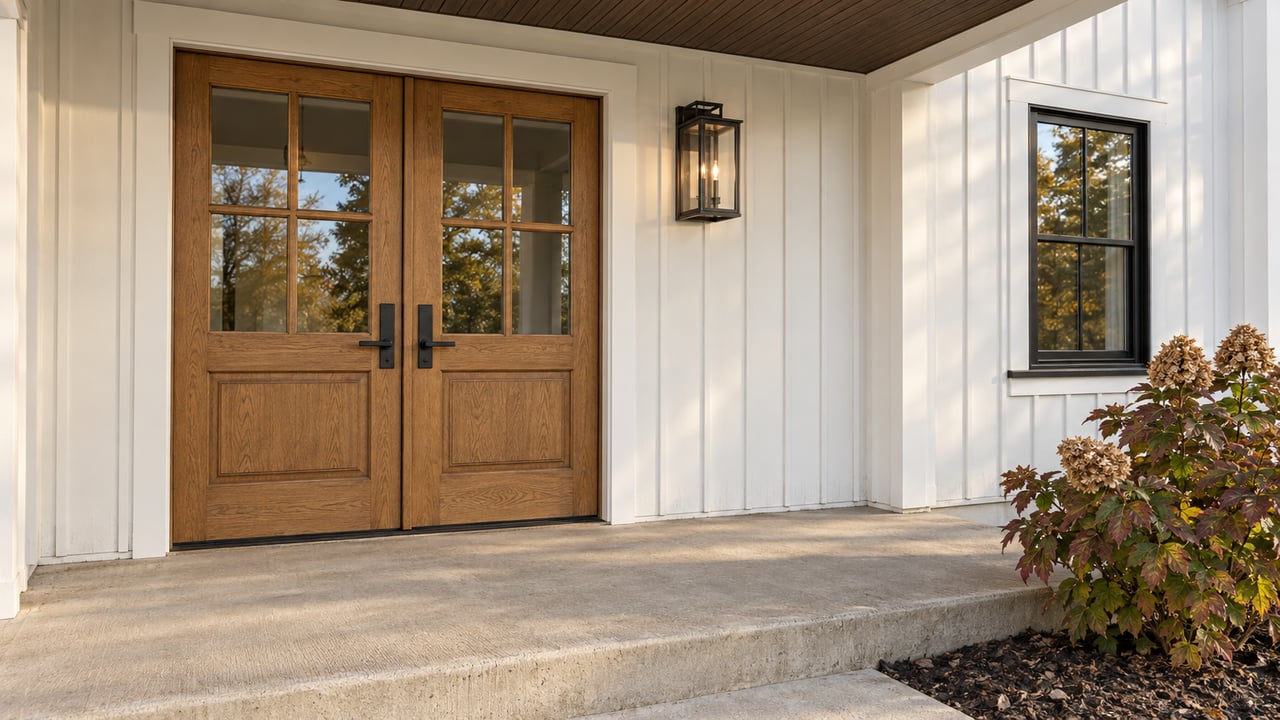
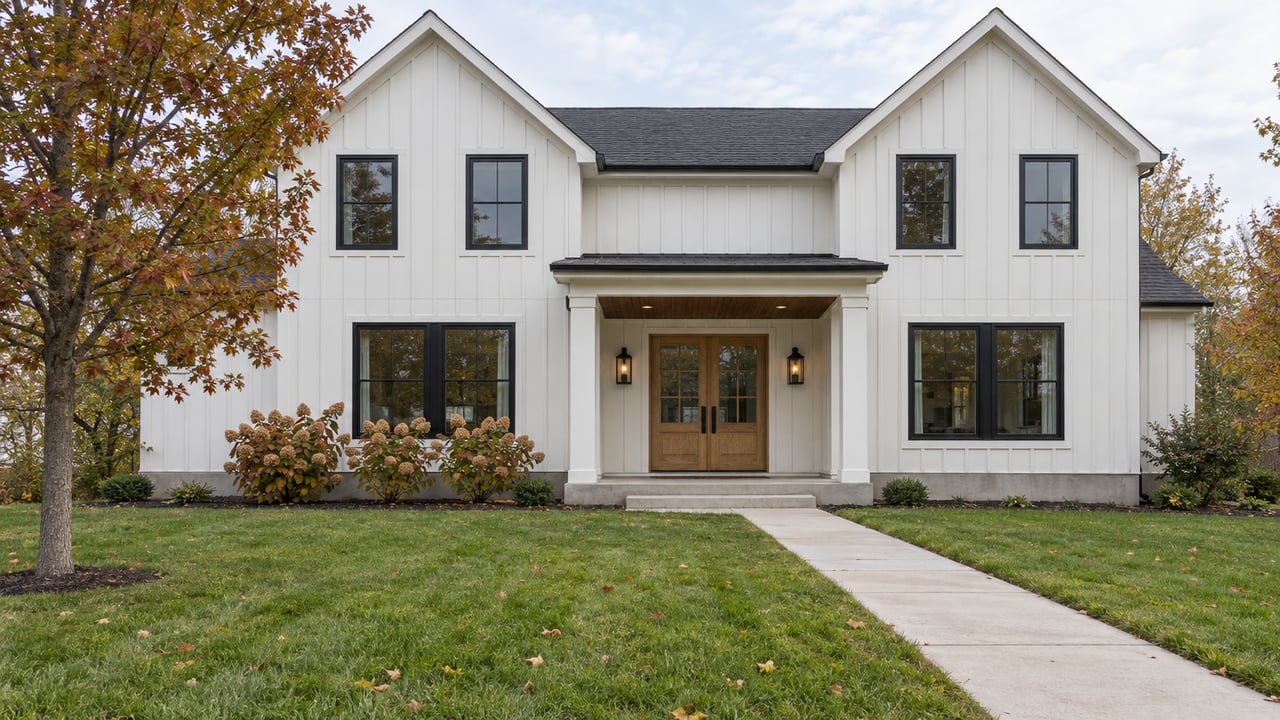
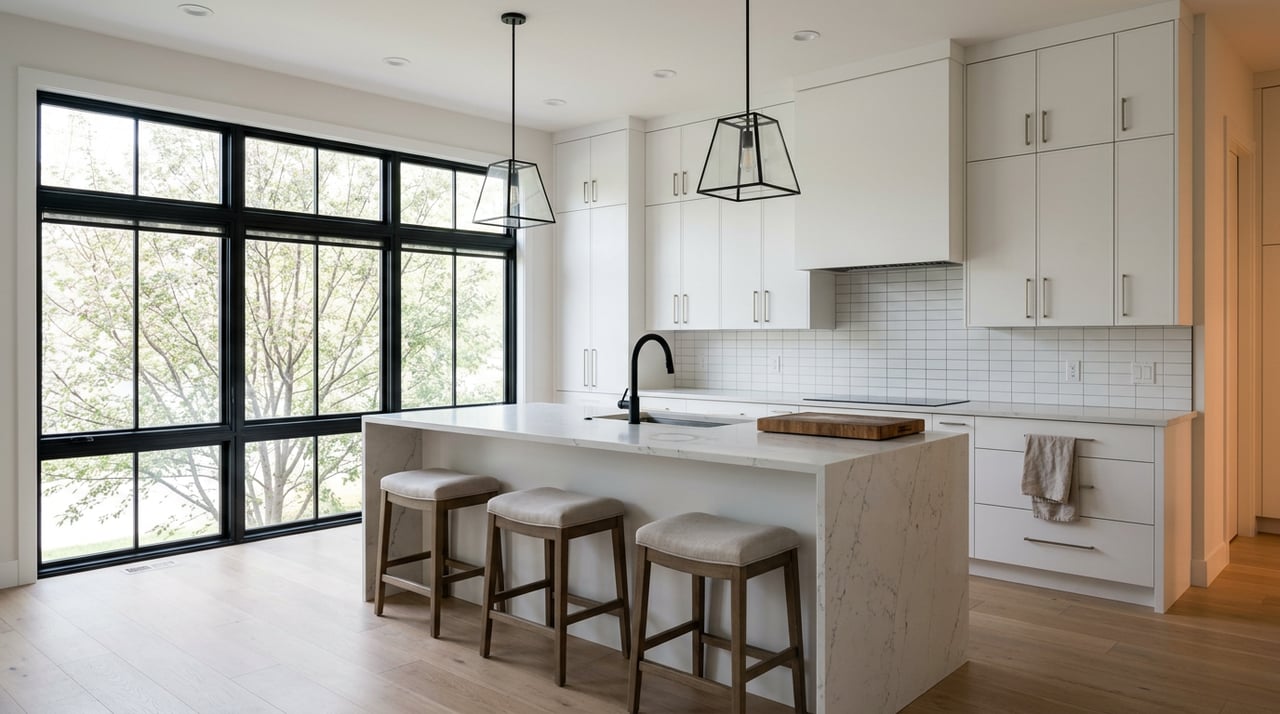
On the city’s edges and into nearby Lewis Center, you’ll find planned subdivisions and golf-community neighborhoods like Glenross, Lexington Glen, and Springer Woods. Homes in these areas often feature open floor plans, attached garages, and community amenities such as pools, clubhouses, and walking paths. Many buyers target these neighborhoods for newer construction, larger lots, and HOA services that help simplify maintenance.
These growth areas typically offer a steadier stream of inventory, from new builds to resales, compared with the limited turnover you’ll see downtown. If you prefer move-in-ready spaces and neighborhood amenities, edge communities are a practical fit to explore.
Home options and price cues
Delaware’s housing mix gives you two distinct paths.
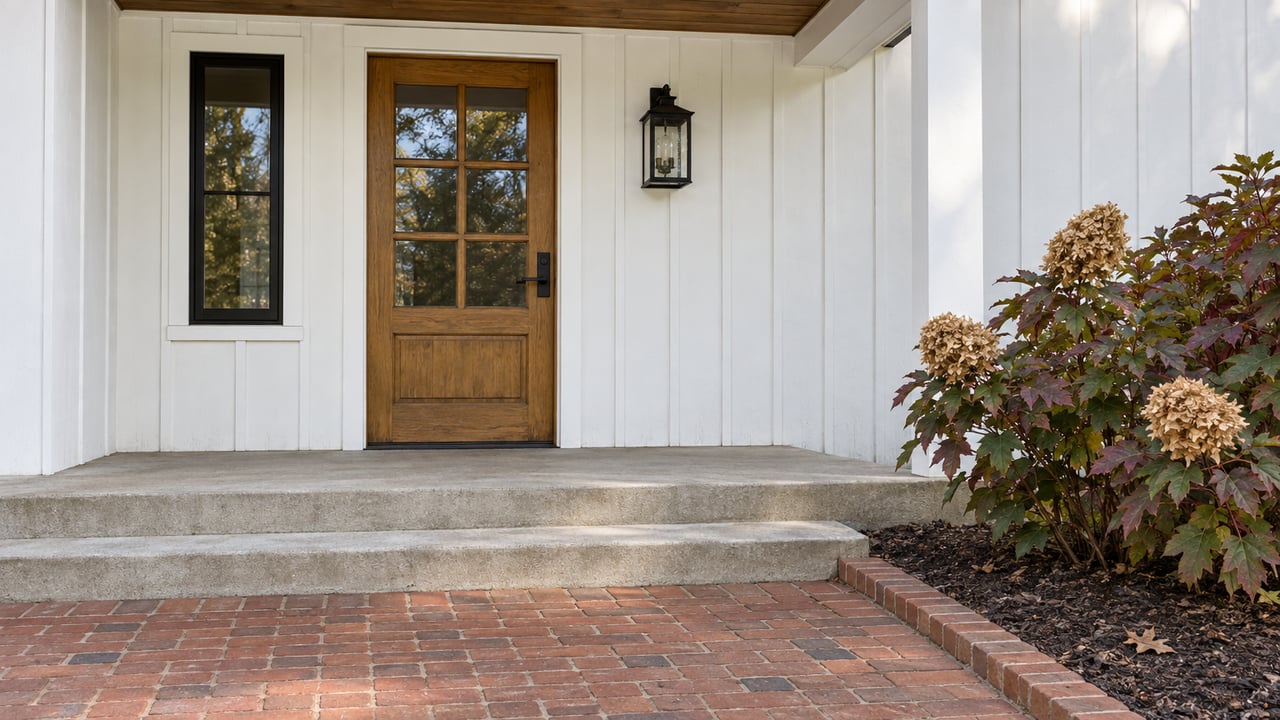
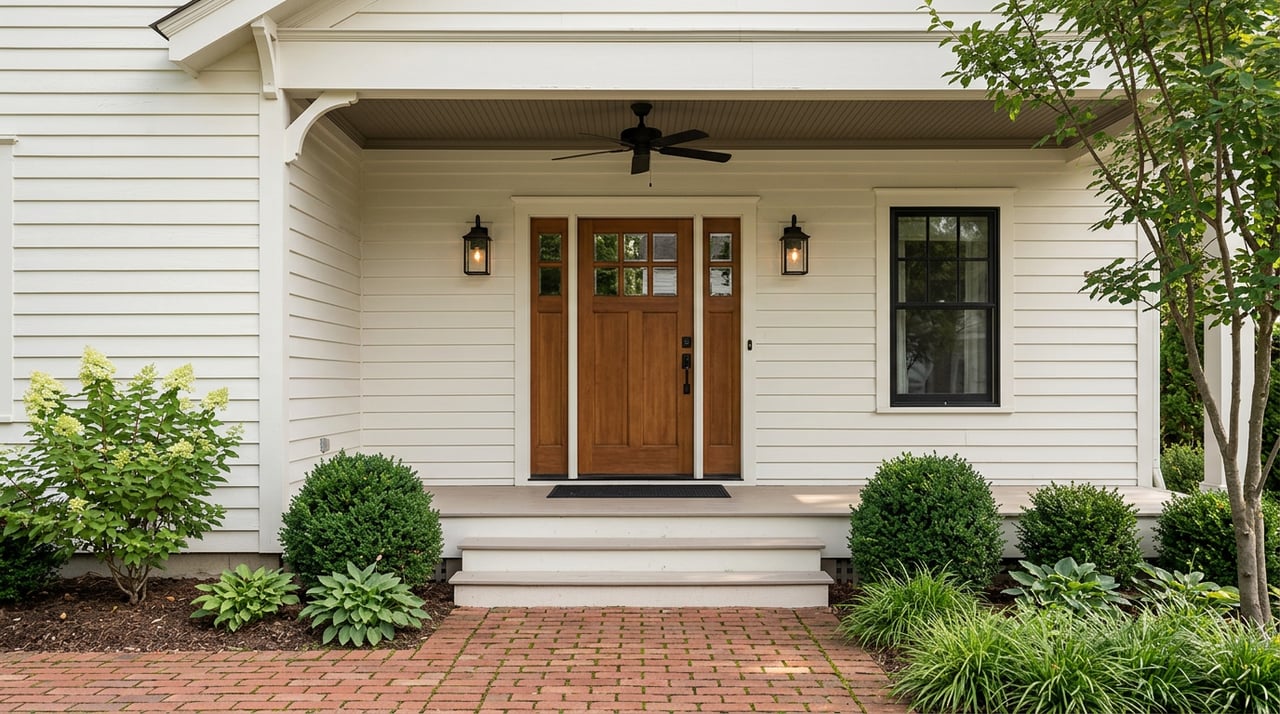
Downtown and central neighborhoods: You’ll see 19th and early 20th century single-family homes, bungalows, and occasional infill properties, many within walking distance of Sandusky Street and OWU. Inventory tends to be tighter here and condition varies, so it’s smart to pace your search, plan for inspections, and budget for systems updates or restoration. The APA’s profile of Downtown Delaware highlights the preserved character that drives demand.
Edge subdivisions: Recent portal snapshots place the city’s median listing price around the mid 400 thousands, with typical time-to-sale metrics hovering around two months in some periods. Prices in newer subdivisions can trend higher with larger square footage, newer finishes, and golf-community amenities. Treat these as current-market snapshots and verify live pricing with the MLS or a local expert.
A few citywide context points from Census QuickFacts round out the picture: the median value of owner-occupied housing hovers around $318,400 and the median household income is about $99,786. Use those as a baseline, then narrow by neighborhood, age of home, and amenity level.
Lifestyle and events
Downtown living puts you close to arts and dining. Monthly First Friday events, seasonal markets, and gallery nights keep your evening plans simple. The university’s arts presence, including the Ross Art Museum, adds year-round programming that benefits local restaurants and shops.
Parks and recreation are another strength. The city’s parks system includes Mingo Park, Unity Park, and a network of neighborhood green spaces, with ongoing investments detailed in the Parks and Recreation Master Plan. County recreation like the Alum Creek reservoir expands your options for boating, trails, and beach days within a short drive.
Each fall, the region hosts a signature event: the Little Brown Jug harness race, part of the Delaware County Fair. It brings a festive crowd and deep local tradition to town. Learn more at the event’s official site for the Little Brown Jug.
Quick buyer checklist
- Love porches and period details? Focus on the historic core, but plan for inspections and potential updates to mechanicals, roofing, and windows. Check any historic-district guidelines before exterior changes. The APA’s Downtown Delaware profile is a helpful primer.
- Want newer floor plans and HOA amenities? Look to subdivisions on the north and east sides or into nearby Lewis Center communities. Expect different price bands tied to lot size, builder, and finishes.
- Commute check: Test your drive during your normal hours. The mean commute time is about 25.6 minutes citywide, but peak traffic can vary. See Census QuickFacts for baseline data.
- School boundaries: Assignment is address-specific. Always verify with the district. For context and updates, review Olentangy Local School District enrollment data. If you are considering Delaware City Schools addresses, confirm directly with the district office.
Which Delaware fits you
If you want a walkable main street, period architecture, and daily access to galleries and cafes, the historic core may feel like home. You trade larger lot sizes for a unique streetscape and one-of-a-kind interiors.
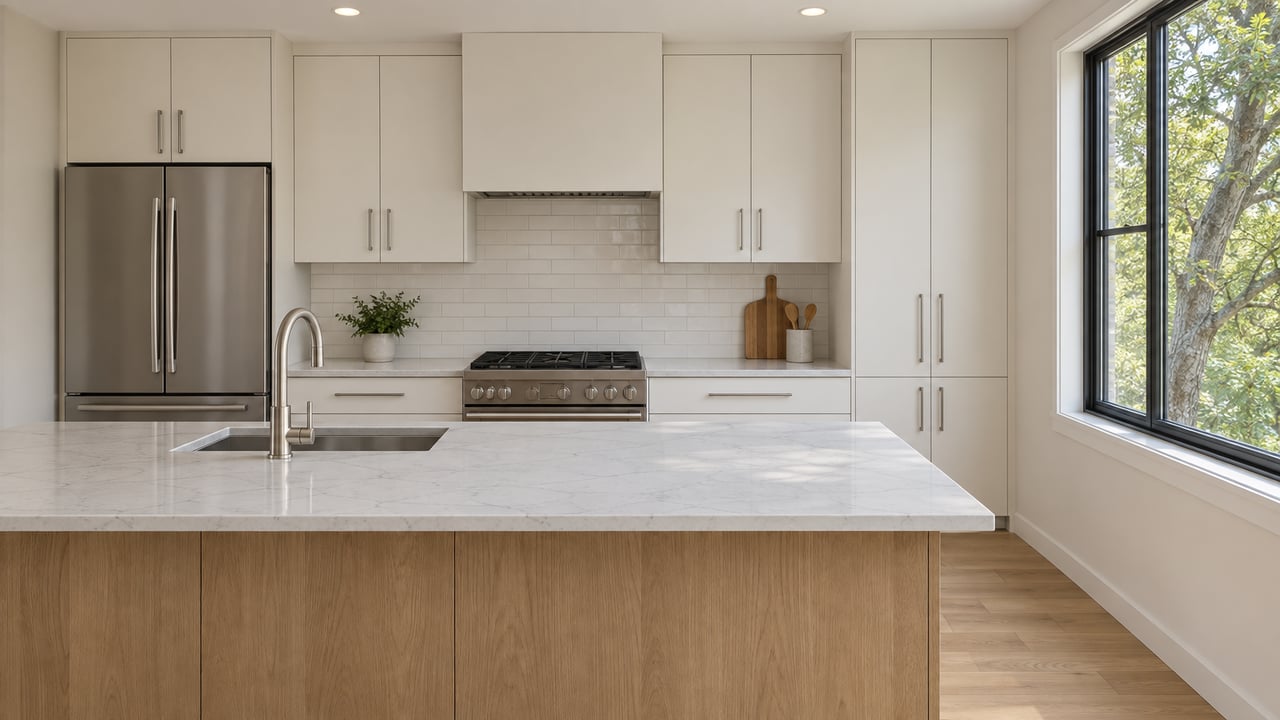
If you prefer newer construction, open kitchens, and neighborhood amenities like pools and trails, explore subdivisions such as Glenross and nearby Lewis Center communities. You trade some in-town vintage charm for space, convenience, and a broader selection of move-in-ready homes.
In both areas, Delaware’s growth, arts scene, and access to Columbus give you a balanced lifestyle with year-round events, strong parks, and a practical commute.
Ready to explore your options
Whether you are weighing a Victorian near Sandusky Street or a newer home with a community pool, you deserve local guidance and a clear plan. Our boutique, owner-led team pairs data-backed pricing advice with hands-on service. If you are selling, our in-house stager and premium marketing help your home stand out. If you are buying, we will help you compare neighborhoods, refine your budget, and time the market with confidence.
Start with a friendly consult to map your next steps with Angelina Fox-Smith & Company.
FAQs
Is downtown Delaware mostly historic homes?
- Yes. Downtown and the adjacent neighborhoods feature late 19th and early 20th century architecture with preserved storefronts and period homes, while most new construction is concentrated on the city’s edges. See the APA’s profile of Downtown Delaware.
How do prices compare across areas in Delaware, Ohio?
- Citywide median listing snapshots recently landed in the mid 400 thousands, while historic homes downtown can list lower or higher based on size and condition, and newer subdivisions often cluster in mid-to-upper tiers. Treat these as snapshots and verify with live MLS data.
What is the typical commute time from Delaware?
- The mean travel time to work is about 25.6 minutes per ACS figures, though peak-hour conditions vary by route. See Census QuickFacts for a baseline.
What arts and events can I expect year-round?
- Monthly First Fridays, seasonal festivals, and university arts programming keep downtown active. The Little Brown Jug harness race each fall is a regional highlight, and the Ross Art Museum hosts rotating exhibits.
How should I verify school assignments in Delaware, Ohio?
- School boundaries are address-specific and can change. Contact the appropriate district directly before you buy. For context and enrollment trends, review Olentangy Local School District’s data.