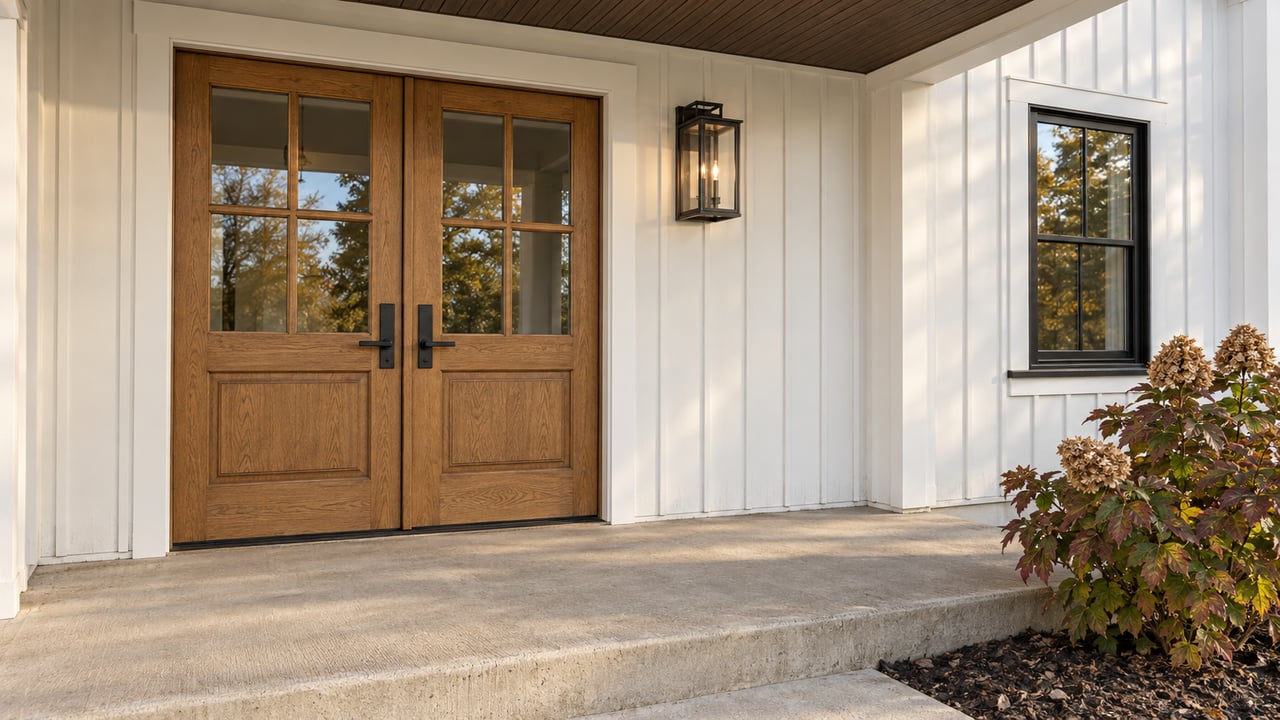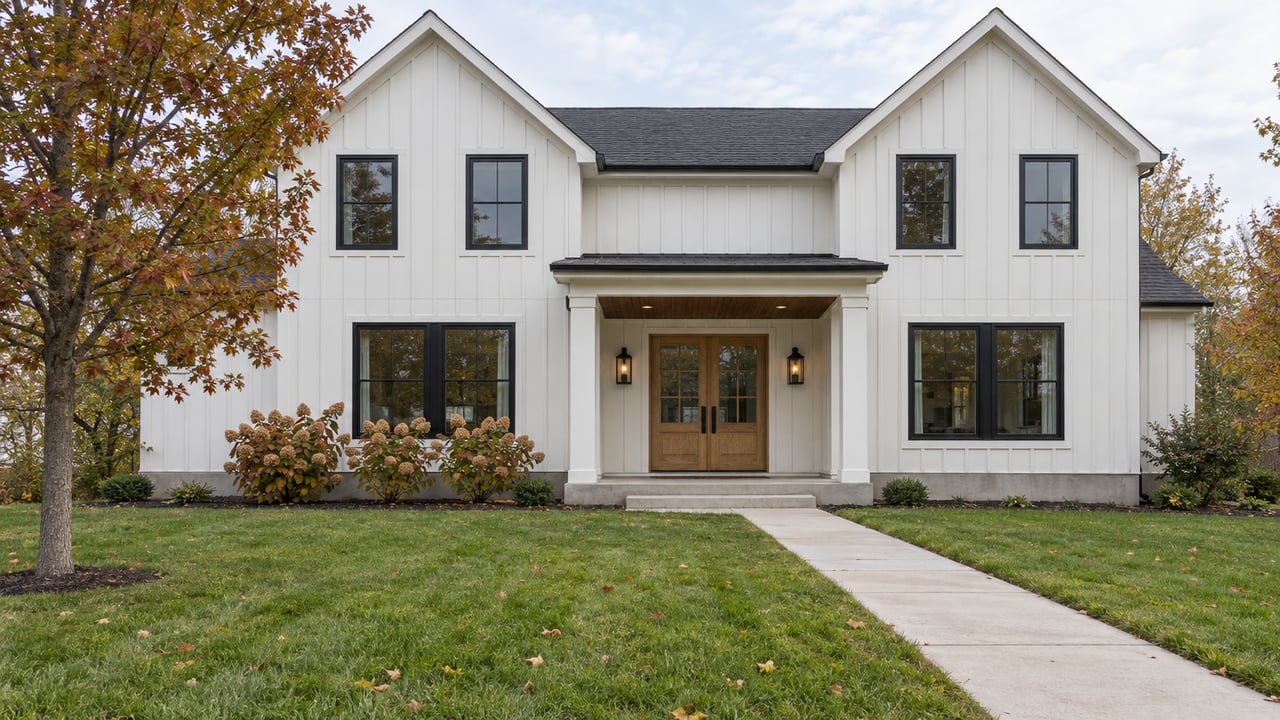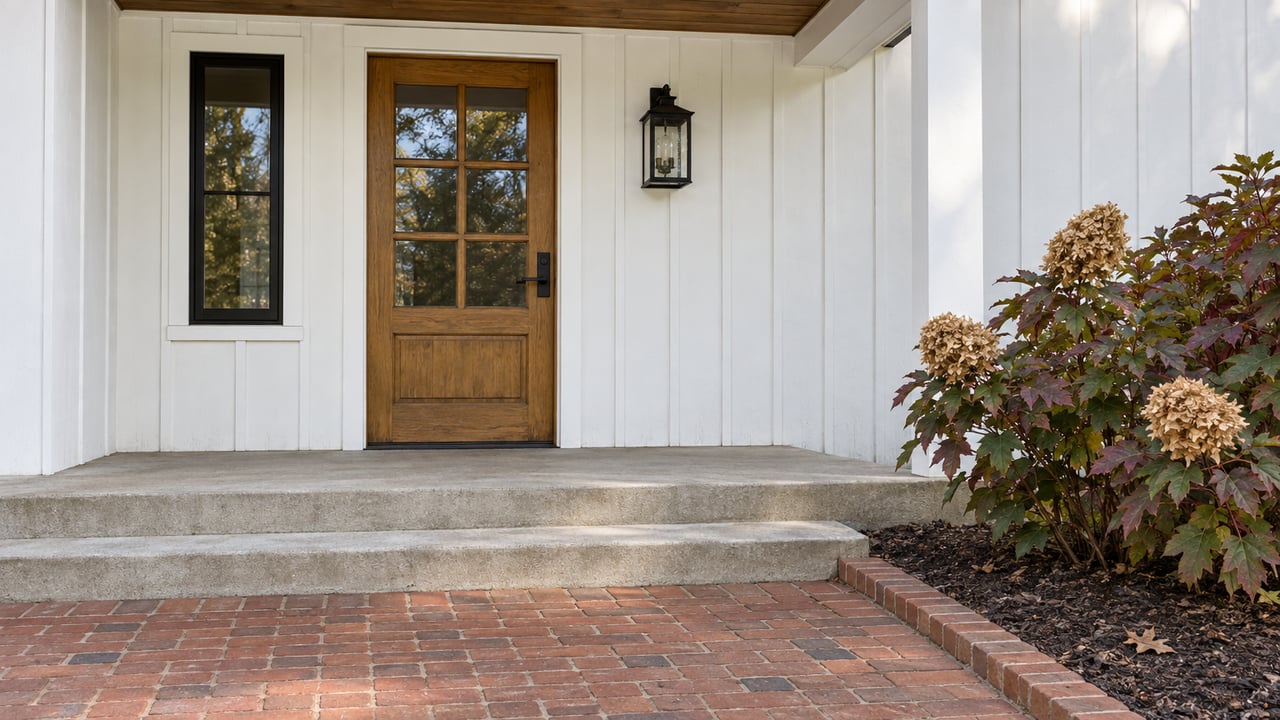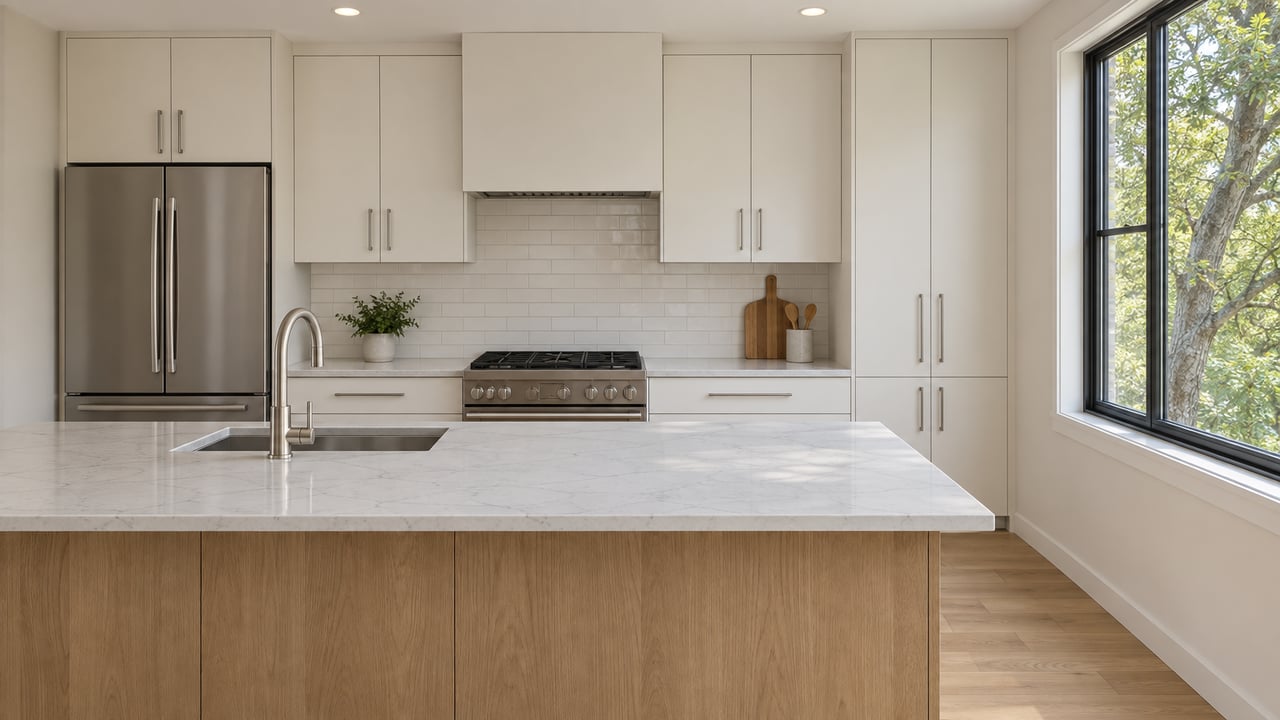
Thinking about a brand-new home near Alum Creek or room to spread out on a few acres? You have solid options in Sunbury and Galena, two growing communities within the Columbus metro. Whether you want a low-maintenance new build in a planned neighborhood or a custom home on acreage, you can find a path that fits your goals and budget. In this guide, you’ll learn where to look, how lot sizes and utilities work, what to check before you buy, and the basics of financing land and construction. Let’s dive in.
A quick note on data and availability: prices, inventory, utility tap fees, and timelines change. Use this as a starting point, then confirm current details with local planning offices and your lender before you commit.
Why Sunbury and Galena now
Sunbury and Galena sit just north of Columbus, with quick access to highways, shopping, and recreation. Families appreciate that much of the area is served by the Big Walnut Local School District. If schools are part of your decision-making, review current boundaries and information on the district’s official site at the Big Walnut Local Schools website.
At the county level, the market remains strong. According to a recent Delaware County report, the median sold price was near $497,106 as of June 2025, which helps explain ongoing demand in the northern suburbs. You can explore the county’s trend in the Delaware County market snapshot.
Growth has brought more new construction and careful planning. Sunbury’s comprehensive plan highlights where residential expansion is likely and flags critical items like sewer capacity, soils, and road access. This is why some lots are truly build‑ready and others require more due diligence.
What you can buy
New‑construction neighborhoods
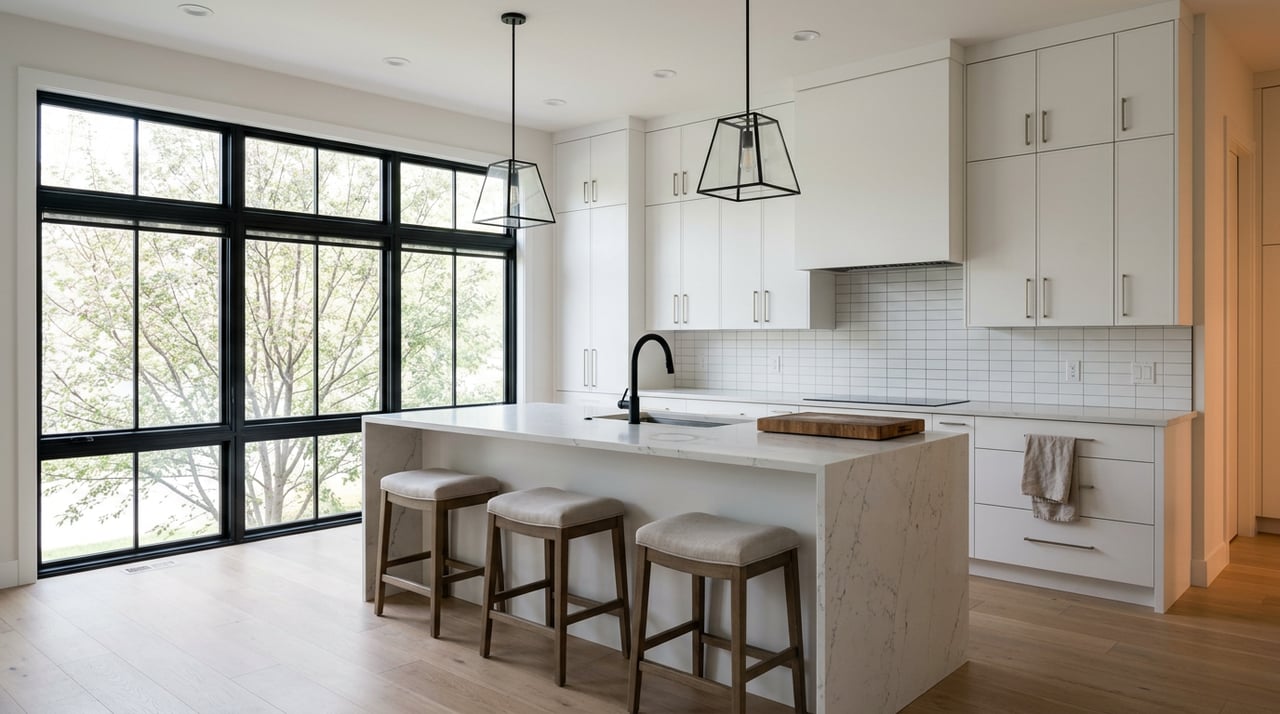
If you prefer a turn‑key build, focus on platted subdivisions and planned residential developments in and around the villages. Typical lots run about 0.2 to 0.5 acre, often with sidewalks, street trees, and utilities at the lot line. Many neighborhoods include an HOA, design guidelines, and an architectural review process. For rules and permitted uses inside Sunbury, review the Sunbury Zoning Ordinances.
Price points vary by size, builder, and finishes. You will find everything from upscale production homes to semi‑custom plans. Expect builders to publish standard features and upgrade menus during the selection process. Always ask for a clear specification sheet, timeline, and warranty.
Small‑acreage parcels: 1–10 acres
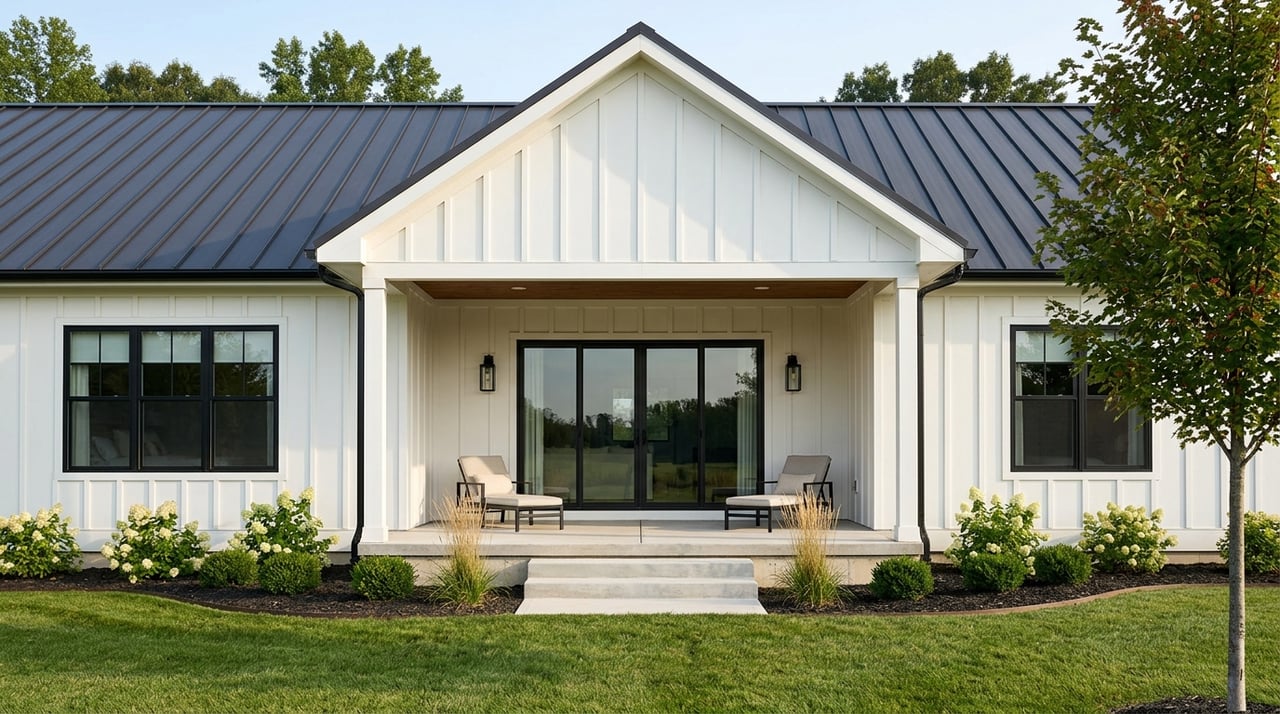
If privacy and elbow room are your goal, look just outside the village limits where 1 to 10 acre parcels are more common. These tracts offer flexible siting for a custom build, but they place more responsibility on you to verify feasibility. Many acreage parcels need a private well and on‑site sewage treatment. Ohio’s rules for private water and onsite systems are administered at the state and local levels, so plan for soil evaluations, perc testing, and permits. Make these studies contingencies in your offer.
Larger estates and hobby farms
Parcels above 10 acres exist but are less common immediately around Sunbury and Galena. If you want a larger estate, be prepared for specialized financing, more utility planning, and longer timelines. You may need to expand your search into the broader Delaware and Licking County areas.
Lifestyle around Alum Creek
Alum Creek is a signature amenity for this part of Central Ohio. You have a large reservoir with multiple public boat ramps, a full-service marina, scenic shoreline, and miles of trails. The state park includes a roughly 3,000‑foot public beach and recreational areas that draw boaters, anglers, and nature lovers. If you want weekend fun minutes from home, this is a strong location fit.
Key site and permit checks
Utilities and service areas
Inside the village limits, subdivision lots often have municipal water and sewer available, with tap‑in details handled during development. The comprehensive plan shows existing and planned service areas. Outside the villages, expect private wells, septic or advanced treatment systems, and potential utility extensions for electric, gas, and broadband. Service distances can affect cost, so get written estimates from providers early.
Environmental constraints to review
Sunbury’s planning documents note limited 100‑year floodplain along Big Walnut Creek and the potential for wetlands. If a property is near Alum Creek or lowland areas, order FEMA flood maps, request a wetlands check, and consult qualified professionals before you commit to site work. Slopes and soils also matter. Areas with steep topography or shale near the lake can narrow your building envelope, so budget for geotech and soil borings.
Access, surveys, and HOA controls
A good boundary and topographic survey helps you plan the driveway, house placement, drainage, and future improvements. Confirm whether access is on a public road or a private drive and document any maintenance agreement. For subdivision lots, request the HOA declaration, budget, and architectural standards. Sunbury’s code outlines zoning, permitted uses, and review procedures that can affect design.
Due‑diligence checklist
Use this checklist to protect your time and money before you buy land or a new‑build lot.
- Verify zoning and permitted uses with the municipality. Ask whether the lot is in a PRD, R district, or agricultural district, plus setbacks, maximum coverage, and any architectural controls. See the Sunbury Zoning Ordinances for reference.
- Confirm water and sewer service. Get a written statement of availability and tap fees for in‑village lots, or speak with the local health district for private systems outside service areas. The Sunbury Comprehensive Plan shows where public sewer exists and where on‑site systems are expected.
- Test for septic and well feasibility. Order a soil evaluation and perc test, and check well logs. Ohio rules govern private wells and onsite sewage; permits are issued locally. Make these studies purchase contingencies.
- Check environmental constraints early. Request flood maps and a wetlands review, especially near Alum Creek or lowlands. Consult appropriate agencies before any fill or shoreline work.
- Order survey and title work. Ask for a boundary and topographic survey, confirm the legal description, and review easements, rights‑of‑way, and any deed restrictions.
- Review HOA and architectural rules. For subdivision lots, request the declaration, budget, design standards, and maintenance responsibilities. Sunbury’s code details review processes for certain permits.
- Confirm road and driveway access. Determine if the access is public or private and secure a documented maintenance agreement if private.
- Verify all utilities. Request serviceability letters for electric, gas, and broadband. Distance to the nearest transformer or gas main can add cost to acreage builds.
- Understand fees and timelines. Ask Sunbury or Galena for building permit fees, tap‑in fees, plan review timelines, and any required improvements. Start with Galena’s Planning and Zoning page for contacts and checklists.
- Vet your builder and contract. Ask for licensing and insurance, references, a fixed‑price or cost‑plus contract, a clear draw schedule tied to inspections, lien waivers, allowances, and a realistic completion date.
Financing your land and build
Common loan paths
You have a few ways to finance the project. Some buyers secure a land‑only loan first and apply for a construction loan later. Others use a single construction‑to‑permanent loan that wraps the land and the build into one closing. Construction loans are draw‑based and often interest‑only during the build, with inspections tied to milestones like foundation, framing, and finishes. Lenders will want your plans, a detailed budget, and an approved builder.
USDA and other programs
In certain rural‑eligible areas, USDA single‑close construction loans may be an option. Eligibility depends on location and income, and not every lender offers the program. Ask lenders about down payment, closing costs, and whether they include the land purchase in the package.
What lenders look for
Lenders evaluate lot feasibility, builder credentials, the as‑completed appraisal, and your budget with contingencies. Get pre‑qualified for construction financing before writing a land offer with due‑diligence contingencies. Ask direct questions: Do you offer a one‑time close? Do you require a licensed builder? How are draws inspected? Will you include the land in the construction loan?
Timelines and cost planning
Expect 1 to 3 months for planning and permits, depending on completeness and municipal review. Production‑level homes often build in 6 to 10 months; custom homes typically range from 9 to 18 months or more based on complexity and weather. For costs, avoid relying on a single price per square foot. Site work, finishes, and market conditions matter. Request up‑to‑date local builder estimates, a clear scope of work, and a contract that spells out allowances and change‑order rules.
For investors: quick considerations
- Holding costs for raw land add up. Budget for taxes, insurance, and maintenance while you entitle or build.
- Infrastructure can drive returns. Water and sewer extensions, stormwater management, and road frontage requirements impact both timeline and budget.
- Entitlement risk cuts both ways. Sunbury’s growth corridors and annexation areas may create upside, but they also add regulatory steps and time.
Your next steps
- For a specific lot, order a boundary and topo survey, title work, soils and perc testing, and a preliminary wetlands check before you remove contingencies.
- Contact the relevant planning office. For Sunbury, review the zoning ordinances and request written water and sewer availability and tap fees. For in‑village Galena properties, start with Galena’s Planning and Zoning page for contacts and current checklists.
- Pre‑qualify with a lender who offers construction financing. Ask about single‑close options, builder requirements, draw inspections, and whether they will include the land purchase.
- Interview two or three builders. Ask for firm budgets, schedules, references, lien‑waiver processes, and warranty terms.
- If you are evaluating investment potential, pair county‑level market snapshots with current neighborhood comps to gauge absorption and price trends before you buy.
Ready to map your options in Sunbury and Galena and create a clear plan? Reach out to schedule a friendly, no‑pressure consult with Angelina Fox‑Smith & Company. We offer boutique, consultative buyer representation backed by Coldwell Banker’s reach, so you get hands‑on guidance with real data and strong execution.
FAQs
Can I build a custom home on a 1‑acre lot near Sunbury?
- Often yes, but it depends on utilities and soils. Inside service areas you may have municipal water and sewer; outside, you will likely need a private well and onsite sewage, which requires soil and perc testing and local permits.
What are typical lot sizes for new subdivisions in Sunbury or Galena?
- Many platted neighborhood lots range from about 0.2 to 0.5 acre, with sidewalks, utilities to the lot line, and HOA or architectural standards that guide design.
Will an HOA limit my home’s design on a new‑build lot?
- Many planned neighborhoods have design guidelines and architectural review. Request the HOA declaration and standards up front and confirm any village review requirements before you sign a contract.
How do construction‑to‑permanent loans work for a Sunbury or Galena build?
- A single‑close loan finances land and construction, then converts to a standard mortgage at completion. During the build you typically make interest‑only payments on draws; lenders require your plans, budget, and an approved builder.
Does living near Alum Creek create extra building restrictions?
- Proximity to the lake and creek corridors means you should review floodplain maps, check for wetlands, and consult appropriate agencies before any shoreline or fill work. Factor these checks into your timeline and offer contingencies.