Are you drawn to neighborhoods where the homes have real character and the streets feel established from the moment you arrive? If you are exploring Upper Arlington, that appeal is easy to understand. This community blends classic architecture, mature landscaping, and everyday gathering places in a way that supports both visual charm and daily convenience. If you want to understand what life here actually feels like, beyond a quick drive through, this guide will walk you through it. Let’s dive in.
Upper Arlington’s Classic Identity
Upper Arlington’s physical character goes back to its earliest planning. After King and Ben Thompson purchased the original Miller farm in 1913, the community began taking shape with an emphasis on open green spaces and generous front and corner lawns. That early vision still shows up today in the broad setbacks, leafy streets, and spacious feel that many buyers notice right away.
The city became known as Upper Arlington in 1917, incorporated as a village in 1918, and became a city in 1941. That long history matters because it helps explain why the area feels cohesive rather than pieced together. You can see the planning legacy in how homes, parks, and civic spaces fit naturally into the landscape.
Architecture That Shapes the Streetscape
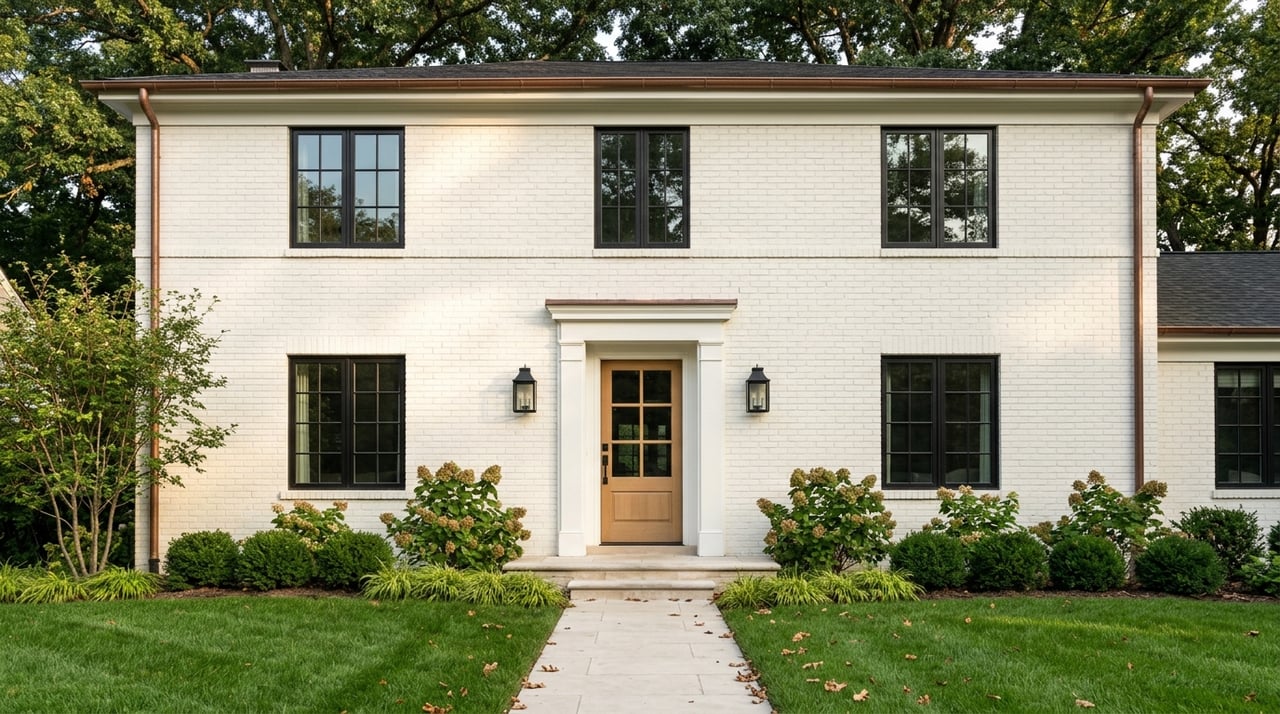
One of the most appealing parts of Upper Arlington is that its classic look does not come from a single home style. Instead, the area includes a rich mix of early and mid-20th-century architecture that gives streets a layered, established feel. For buyers who want personality and visual variety, that mix can be a major draw.
According to the Upper Arlington Historical Society, defining styles found in the city include:
- Arts and Crafts
- Georgian Revival
- English Tudor Revival
- Federal Revival
- Dutch Colonial Revival
- New England Colonial Revival
- English Country Revival
- French Normandy Revival
- French Provincial Revival
- Spanish Colonial or Mediterranean Revival
- Cape Cod Revival
This range gives Upper Arlington a polished, storybook quality without making it feel overly uniform. As you move through different parts of the city, you may notice one street lined with brick Colonials and another with Tudor details, steep rooflines, or cottage-inspired forms.
Old Arlington’s Historic Character
Old Arlington, located south of Lane Avenue, adds an especially strong historic layer to the city’s identity. The area was listed on the National Register of Historic Places in 1985 and is recognized for high-quality 20th Century American Colonial and English Revival architecture. If you appreciate homes with period details and a strong sense of place, this district often stands out.
The city’s preservation approach is also part of the story. Design and demolition guidelines aim to discourage insensitive demolition while still allowing compatible updates and new construction. In practical terms, that helps preserve the overall look and feel of the area while making room for homes to evolve with modern needs.
Postwar Homes Add Variety
Upper Arlington is not only about historic revival styles. The city’s residential design standards also describe postwar neighborhoods with Colonial, Cape Cod, Ranch, Split-Level, Tudor, and other Revival influences, with homes dating from the 1900s through the 1970s. That means your options may include both older character homes and updated mid-century properties.
Neighborhood areas such as Brandon Heights, Canterbury, Kingsdale, Middlesex, Northeast UA, and River Ridge reflect that broader housing mix. For many buyers, this creates a useful balance. You can find architectural charm and established surroundings, while still seeing homes that have been renovated for modern living.
A Setting Defined by Trees and Green Space
Upper Arlington’s architecture would not feel the same without its landscape. The city’s parks and forestry department notes that Upper Arlington has long been distinguished by its tree-lined streets, neighborhood parks, and overall landscape character. That setting softens the built environment and gives many streets a calm, shaded look.
The city is also a Tree City USA community and maintains an extensive inventory of street trees. For residents, that often translates to a stronger sense of seasonal beauty and a more established feel. It is one of those details that shapes daily life, whether you are walking the dog, heading to the library, or driving home.
Parks Support Daily Routines
Upper Arlington’s parks are not just scenic backdrops. They are woven into everyday life in ways that make routines feel easier and more connected. Some parks function as major activity centers, while others offer quiet green space and wooded settings.
Northam Park is one of the city’s major community hubs, with sports fields, tennis courts, a playground, a pool, and open green space. Fancyburg Park is known as a destination for families and community events. If you prefer a quieter outdoor setting, Miller Park, Smith Nature Park, Cardiff Woods Park, and Charing Ravine Park offer a more wooded and tucked-away feel.
Mallway Park adds a different kind of outdoor experience. Located in the heart of Old Arlington, it combines shaded seating, public art, and civic character. It feels less like a destination park and more like an everyday part of the neighborhood fabric.
Small Civic Spaces Matter Too
Some of Upper Arlington’s most useful places are smaller spaces that support daily routines. Tremont Fountain Park sits near Tremont Library and Tremont Pool, which helps make it a natural stop in the flow of the day. Miller Park also connects closely to nearby public life, with its library location, playground, mature trees, and public art.
These details matter because they show how public spaces are integrated into residential life. In some communities, parks feel separate from everyday errands and routines. In Upper Arlington, many green spaces feel like part of how people naturally move through the city.
Community Life Beyond the Front Door
A great lifestyle is about more than houses and landscaping. Upper Arlington also offers civic spaces and gathering spots that help create a sense of rhythm throughout the week. That can be especially important if you are relocating and trying to picture what daily life would actually look like.
The Bob Crane Community Center is one of the city’s newer anchors for health, wellness, and connection. It includes an indoor pool, playground, gymnasiums, a walking and running track, café, fitness studios, an e-sports room, event space, meeting rooms, classrooms, and an art gallery. Located within the Kingsdale Mixed-Use Project, it serves as both a recreation facility and a neighborhood gathering place.
The Upper Arlington Public Library adds another key layer to local life. With branches on Tremont Road, Lane Road, and in Miller Park, the library system provides meeting rooms, study tables, group work areas, and children’s spaces. For many residents, that means there are built-in places for reading, studying, meeting, and quiet time across different stages of life.
Business Districts With Local Energy
Upper Arlington’s commercial areas also help shape the lifestyle. Rather than feeling disconnected from residential areas, these districts contribute to the city’s walkable and civic-oriented character. Each one has a slightly different role.
The Mallway is the city’s first commercial district and is described as a walkable, charming area that combines history, local businesses, and public uses. It also includes nearby civic features such as Jones Middle School, Fire Station 71, Devon Pool, and Veterans Plaza, which adds to its everyday neighborhood presence.
Lane Avenue serves as the city’s most prominent entryway and has developed into a vibrant district of retail, restaurants, and professional businesses. Kingsdale, located more centrally, is characterized by medical, office, and retail uses. Together, these areas give residents multiple ways to connect with the city throughout the week.
Arts and History Add Depth
Upper Arlington’s appeal is not only visual. The city also supports year-round cultural programming that adds depth to community life. If you value places that feel active and engaged, this is an important part of the local experience.
The city’s Cultural Arts Division manages public art and programming that includes exhibits, educational offerings, summer outdoor concerts, the UA Performance Series, and the long-running Labor Day Arts Festival. The festival has been part of community life since 1966. Public art projects such as Arts on Arlington also help make civic spaces feel more dynamic and welcoming.
History remains visible in everyday spaces too. The UA History Trail and the Century Home Marker Program connect parks, streets, and older homes to the city’s broader story. That ongoing connection between architecture, preservation, and community identity is one reason Upper Arlington feels so rooted.
Why Upper Arlington Feels Timeless
What makes Upper Arlington stand out is how its pieces work together. The classic homes, broad lawns, mature trees, neighborhood parks, civic spaces, and local business districts all reinforce one another. The result is a community that feels established and active at the same time.
For buyers, that often means you are not choosing between charm and function. You can find architecture with presence, green space built into daily life, and public places that support connection. For sellers, it means the setting itself is often part of what makes a home so compelling to prospective buyers.
If you are considering a move in Upper Arlington or elsewhere in Central Ohio, working with a team that understands how lifestyle and presentation shape value can make a real difference. Angelina Fox-Smith & Company offers a high-touch, consultative approach to buying and selling, with local insight and polished marketing designed to help you move forward with confidence.
FAQs
What architectural styles are common in Upper Arlington?
- Upper Arlington includes a wide mix of styles, including Arts and Crafts, Georgian Revival, English Tudor Revival, Federal Revival, Dutch Colonial Revival, New England Colonial Revival, English Country Revival, French Normandy Revival, French Provincial Revival, Spanish Colonial or Mediterranean Revival, and Cape Cod Revival.
What makes Old Arlington distinct in Upper Arlington?
- Old Arlington, south of Lane Avenue, is a historic district recognized for high-quality 20th Century American Colonial and English Revival architecture, along with a strong concentration of Twentieth Century Revival homes.
What is daily outdoor life like in Upper Arlington?
- Daily outdoor life in Upper Arlington is shaped by tree-lined streets, neighborhood parks, and a range of public spaces, from active hubs like Northam Park to quieter settings like Miller Park, Smith Nature Park, Cardiff Woods Park, and Charing Ravine Park.
What community amenities stand out in Upper Arlington?
- Standout amenities include the Bob Crane Community Center, the Upper Arlington Public Library branches, civic spaces like Mallway Park, and year-round cultural programming such as concerts, exhibits, and the Labor Day Arts Festival.
How do newer updates fit Upper Arlington’s classic look?
- City design policies aim to support compatible updates and new construction that blend with surrounding neighborhood character, which helps many homes feel modernized while still fitting the streetscape.