Thinking about trading yard work for a simpler, right-sized home in Upper Arlington? You are not alone. Many long-time UA homeowners want less maintenance without giving up the neighborhoods, shops, and routines they love. In this guide, you will see real local options, typical price and HOA ranges, smart HOA due diligence, and practical timing tips to help you move with confidence. Let’s dive in.
Why downsize in Upper Arlington now
Upper Arlington stays in high demand with limited supply, which helps support strong resale values. The average home value is about $603,932 according to the Zillow Home Values Index, with data through January 31, 2026. You can review the current snapshot on the Upper Arlington market page on Zillow.
Inventory is often tight, and many properties go pending quickly. Single-family supply is limited, while condos and townhomes can offer quicker, lower-maintenance choices. Your best approach is to track new listings weekly and be ready to act when the right fit appears.
Your housing options in UA
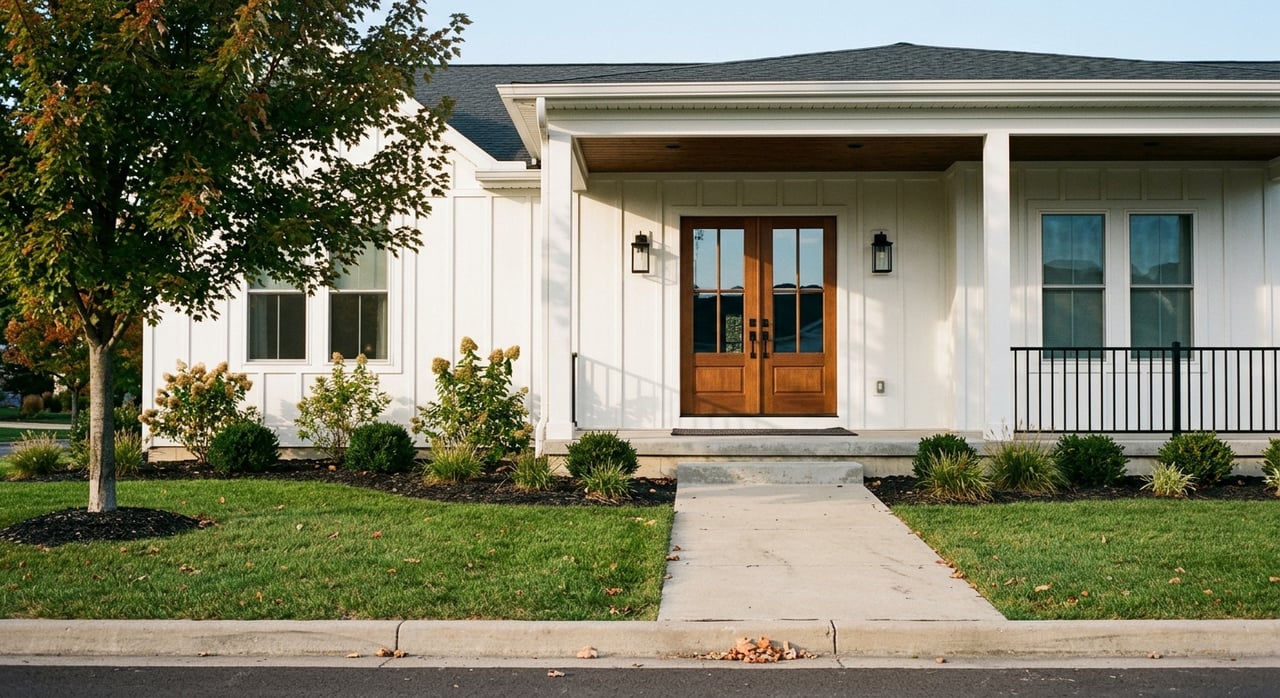
Single-level ranches
UA has many mid-century ranches that offer one-floor living, often with finished basements. Renovation levels vary, so focus on first-floor laundry, a primary suite on the main level, and minimal steps. Prices range widely: smaller or less updated ranches can appear in the low to mid $300Ks, and renovated or larger ranches often sell in the $450K–$700K band, with premium homes higher. For example, a renovated 1955 ranch sold for about $526K in December 2025 on Woodstock Road. You can view that sold example on Zillow.
Pros: single-floor living and a private yard. Cons: you still have exterior upkeep and some older systems may need updates.
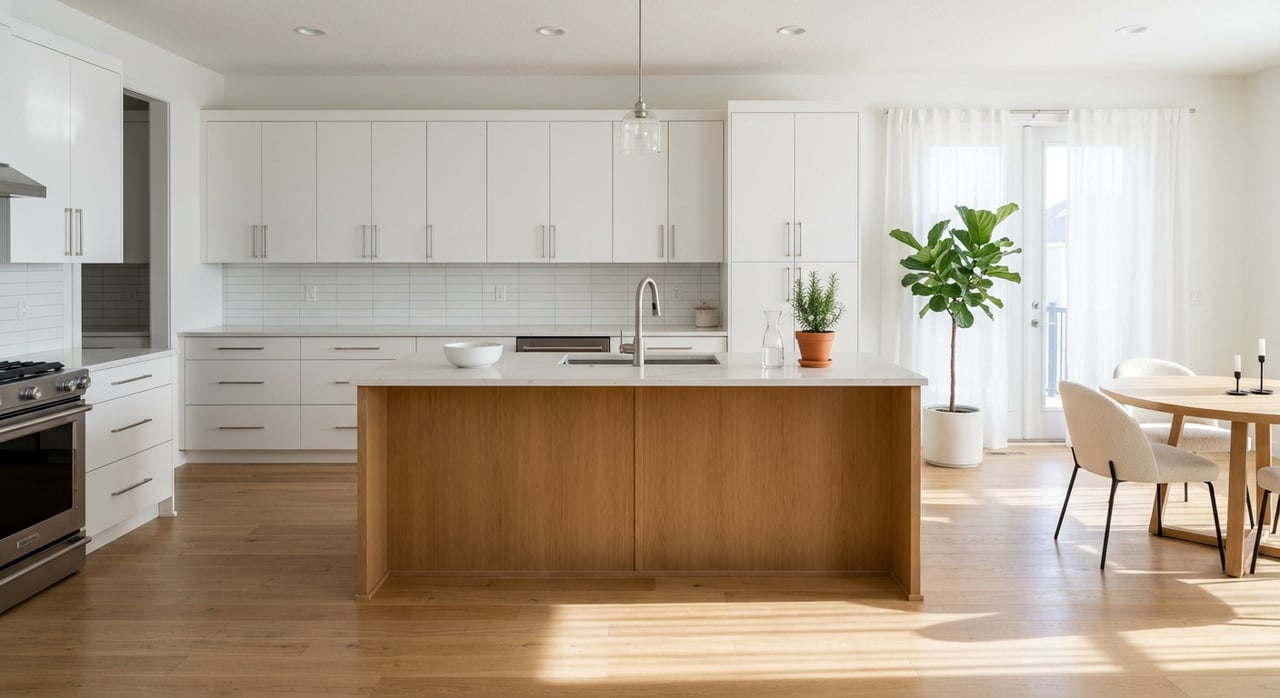
Townhomes and low-rise condos
Older townhouse communities and garden-style condos offer lower-maintenance living with modest HOA dues. Many 2-bedroom, 1–2 bath resales trade in the low $200Ks–$350Ks. HOAs typically run $200–$400 per month and often cover grounds, snow removal, trash, and common-area insurance. For a real-world data point, a Merrifield/Branford Village unit closed at $223,500 in November 2025; the listing noted monthly HOA dues. See that example on Howard Hanna.
Pros: lower exterior maintenance, often good value per square foot, private entries. Cons: stairs in some townhomes and smaller outdoor spaces.
Mid-rise and luxury condos
Elevator buildings such as Arlington Crossing offer single-level living with amenities like secured parking, fitness rooms, and lounges. Prices commonly range from $400K to $800K+, with HOA fees higher due to building systems and services. Recent listings at Arlington Crossing show monthly fees in the $600–$850 range, often including water, sewer, trash, building insurance, and amenities. Explore a representative unit at Arlington Crossing.
Pros: true lock-and-leave lifestyle, services, secure parking. Cons: higher HOA dues and the possibility of special assessments.
Age-targeted and mixed-use choices
UA is adding walkable, amenity-rich options around Kingsdale and Lane Avenue. The approved Kingsdale Mixed-Use Project includes a seven-story senior housing building with assisted and independent-living units, plus other multi-story residential components. Learn more on the city’s page for the Kingsdale Mixed-Use Project. Next door, the new Bob Crane Community Center brings programming, pools, and social spaces that many downsizers value. Together, these projects increase nearby choices for maintenance-light living within UA.
What HOA fees cover and how to compare
When you compare a condo or townhome to a smaller single-family home, look at the all-in monthly number, not just the mortgage.
- Townhome/garden-style HOA example: $200–$400/month commonly covers exterior maintenance, lawn care, snow removal, trash, and basic common insurance. The Merrifield/Branford Village example above reflects this band.
- Mid/high-rise HOA example: $600–$850+/month often includes building insurance, water, sewer, trash, common-area maintenance, security, and amenities like elevators and fitness rooms, as seen at Arlington Crossing.
To compare apples to apples, add up mortgage, taxes, condo insurance or homeowners insurance, HOA dues, and any private yard or exterior service you would hire for a single-family home.
Do your HOA homework
Know Ohio condo rules
Ohio’s condominium law sets baseline rules for budgets, reserves, and owner association governance. Before you buy, it helps to know the basics in Ohio Revised Code Chapter 5311. You can read the statute here: Ohio Revised Code, Chapter 5311.
Request and review the right documents
Ask for the association packet before you go under contract, then read it closely with your agent and, if needed, your attorney. Key items include:
- Governing docs: Declaration/CC&Rs, bylaws, and rules.
- Financials: current-year budget, balance sheet, and recent income statement. Look for steady reserve funding.
- Reserve study or capital plan: confirms whether future big-ticket items are funded.
- Board minutes from the past 12–24 months: scan for major projects, frequent assessments, or disputes.
- Insurance summary: understand what the master policy covers versus your personal policy and deductibles.
- Management and governance: professional manager or volunteer board, meeting frequency, history of assessments.
- Lifestyle rules: pets, rental caps, parking, and exterior modification policies. Ask about approvals for ramps, grab bars, or small accessibility changes.
Red flags to avoid
Be cautious if you see a thin or missing reserve fund, frequent recent special assessments, pending litigation, or unclear insurance requirements. These issues can affect lending and your monthly costs.
Timing your sale and purchase
Spring and early summer typically bring the strongest buyer activity nationwide. That seasonality can increase your odds of a faster sale and a better price. You can see a national overview of listing timelines in this HomeLight guide.
Locally, UA often shows short days-to-pending for certain property types. Check current snapshots on Zillow’s Upper Arlington page and lean on real-time guidance from your agent to fine-tune your timing.
Choose your path
- Sell first: maximum financial clarity and a stronger buy-side offer, but you may need temporary housing.
- Buy first: avoids a gap move if you have the liquidity or bridge financing, but can mean carrying two payments for a short time.
- Contingent offers: less competitive in tight markets unless your terms and pricing are compelling.
- Bridge or HELOC: can work if modeled carefully with a lender, but adds cost and underwriting steps.
- Rent-back: sell now, then stay for a short period after closing to bridge your purchase timeline.
A simple downsizing checklist
- Set must-haves: single-level primary suite, first-floor laundry, zero-step or low-threshold entry, secure parking, and in-unit storage.
- Compare the monthly number: mortgage, taxes, insurance, and HOA or yard service.
- Plan small upgrades: grab bars, lever handles, brighter lighting, and shower safety can be simple wins. For room-by-room ideas, try the AARP HomeFit tools and worksheets.
- Think walkability: map distance to groceries, pharmacies, health services, parks, and the community center.
- Get pre-approved early: be ready to move when the right home hits the market.
Where to focus in UA
- South of Lane and Tremont area: close to Lane Avenue shops and the Mallway. Look for renovated ranches and classic homes near services.
- Kingsdale and Tremont corridor: the Kingsdale Mixed-Use Project and the Bob Crane Community Center create a strong, walkable hub with programs, fitness, and retail.
- Lane Avenue nodes: mixed-use projects have added apartments and condos near dining and services, which many downsizers appreciate for convenience.
Ready to map your next step in UA? From pricing strategy and professional staging to a targeted search and smart HOA review, you can move forward with clarity. If you would like a custom plan, connect with Angelina Fox-Smith & Company to get started.
FAQs
What are typical UA condo prices for downsizers?
- Many 2-bedroom townhome or garden-style condos trade in the low $200Ks to $350Ks, while mid-rise and luxury condos commonly range from $400K to $800K+ depending on size, finishes, and amenities.
How much are HOA dues for UA condos?
- Lower-rise communities often charge about $200–$400 per month, while elevator buildings with amenities commonly run $600–$850+ per month based on recent listings.
What should I review in an HOA before I buy?
- Ask for the governing documents, recent financials, reserve study, board minutes, insurance summary, and rules on pets, rentals, parking, and accessibility modifications.
When is the best time to list my UA home if I plan to downsize?
- Spring and early summer typically bring the biggest buyer pool; pair that with your personal timeline and real-time local data for the best results.
Can I find true single-level living in UA without moving to a condo?
- Yes. Many mid-century ranch homes offer main-level living; focus on first-floor laundry, a main-level primary suite, and minimal steps to meet your needs.