Picture mornings along the Scioto River, afternoons in leafy parks, and evenings that can swing from backyard grilling to dinner in a buzzing riverfront district. If you are wondering what daily life in Dublin really feels like, you are not alone. Many buyers compare Dublin with other Central Ohio suburbs for schools, green space, and convenience. In this guide you will learn how neighborhoods differ, what tradeoffs to expect on housing and commutes, and how events and amenities shape the rhythm of life. Let’s dive in.
Where Dublin fits in Central Ohio
Dublin sits northwest of downtown Columbus and blends two identities. It is a commuter suburb for many professionals and a regional job center with its own corporate offices and business parks. That mix creates a lifestyle that is suburban at heart with pockets of small-city energy along the river.
The Scioto River corridor runs through the city and anchors some of Dublin’s most walkable spots. You will find historic storefronts in Old Dublin and a contemporary, mixed-use area at Bridge Park. Most residential neighborhoods remain car oriented, which is typical for the metro, but the riverfront districts add a convenient, pedestrian-friendly option.
Neighborhoods and housing styles
Dublin offers distinct neighborhood experiences. Your fit will depend on how you weigh charm, space, convenience, and price.
Historic Dublin
This is the original village core with narrow streets, older single-family homes, and a main street lined with restaurants and shops. If you value character and being close to local festivals and riverfront parks, Historic Dublin delivers a classic, small-town feel.
Suburban single-family communities
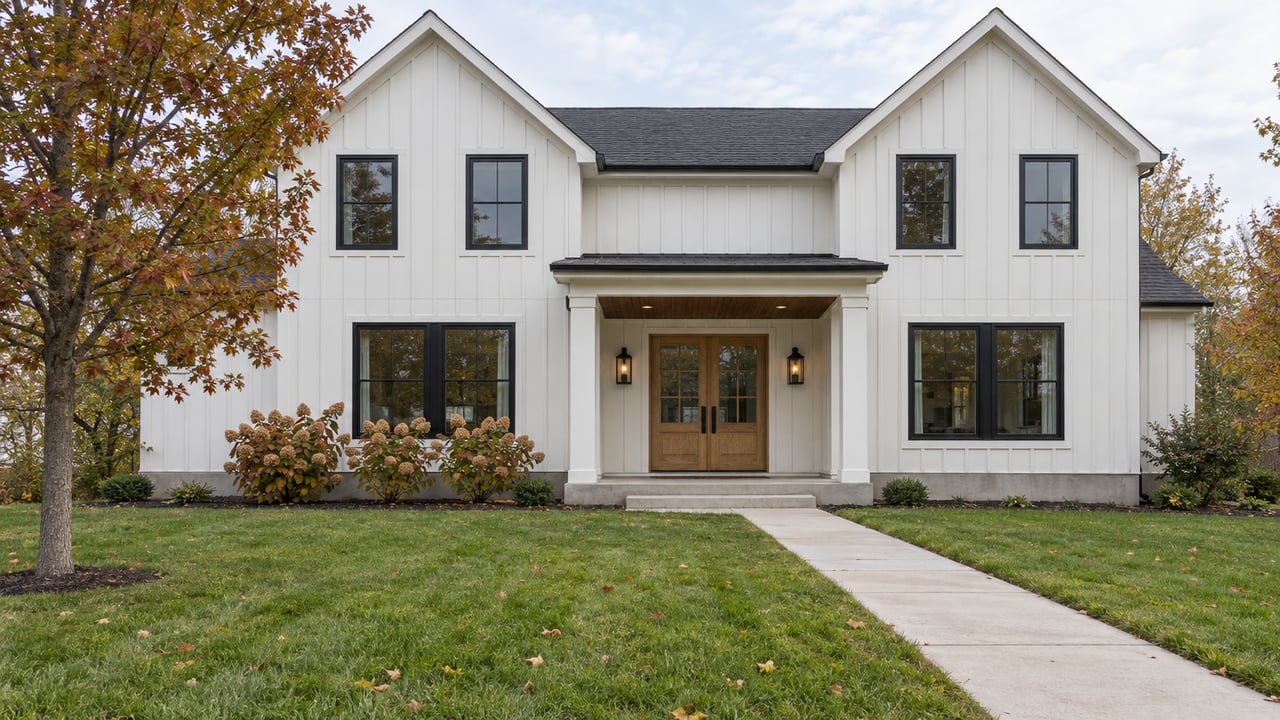
Across much of Dublin you will find planned subdivisions with sidewalks, neighborhood schools, and cul-de-sacs. These areas are popular with buyers seeking more square footage, a yard, and a predictable community layout. They make up the bulk of housing choices for move-up buyers and households that want space.
Golf-course and amenity communities
Higher-end single-family homes surround several courses and club facilities, including neighborhoods with Muirfield-style branding. These enclaves appeal to buyers who want prestige, mature green space, and access to golf or clubhouse amenities.
Bridge Park and other mixed-use areas
Bridge Park, also known as part of the Bridge Street District, brings walkable, urban-style living to Dublin. You will find apartments, condos, townhomes, restaurants, boutiques, offices, and river access in one place. Many young professionals and empty nesters choose Bridge Park for low-maintenance homes and dining and nightlife within a short stroll.
Newer infill and edge developments
On Dublin’s edges, new master-planned projects and infill neighborhoods offer modern floorplans and, in some cases, HOA amenities. These areas can provide alternatives if you want newer construction without being right in the core.
What homes cost and common tradeoffs
Dublin home prices trend above the Columbus metro median. Buyers often pay a premium for specific school boundaries and for locations with special amenities like Historic Dublin, golf frontage, or the riverfront. Attached homes in walkable areas, such as Bridge Park, typically command a higher price per square foot compared with older or edge subdivisions, even though total square footage may be smaller.
Inventory patterns favor single-family homes in strong school zones, so those listings can move quickly. At the same time, townhomes and condos in walkable districts see steady demand from downsizers and professionals who prefer convenience over yard size. New construction, both attached and detached, continues to add options and can help buyers priced out of established neighborhoods.
When you compare options, you will likely weigh these tradeoffs:
- Space and yard size versus walkability and nightlife access.
- Premium price per square foot versus total budget comfort.
- Newer finishes and layouts versus historic charm and location.
- Specific school boundaries versus a larger home or shorter commute.
Schools and education options
Dublin City Schools serve most of the city and are a major draw for families. The district is widely cited for above-average academic outcomes and broad extracurricular offerings that include music, athletics, and STEM programs. School boundaries and attendance zones can influence pricing and should be verified during your home search since they can change over time.
Private and parochial K–12 options, as well as private preschools, provide additional choices in Dublin and nearby suburbs. For higher education and continuing education, proximity to Columbus-area institutions such as The Ohio State University expands opportunities for adult learners and workforce training.
If schools are a top priority for you, clarify your preferred attendance zones early. That clarity will focus your search and help you make faster, more confident offers.
Parks, trails, and outdoor life
Green space is part of daily life in Dublin. The Scioto River corridor supports walking, biking, kayaking, and seasonal events. A citywide network of parks and multi-use trails links many neighborhoods to playgrounds, ballfields, and community facilities. Families and active residents often cite the parks and trail system as a favorite quality-of-life feature.
Golf is another hallmark. The area includes well-known courses and club communities, and the city’s association with major tournaments adds to its outdoor identity. Whether you prefer a quiet morning on the greens, a bike ride along the river, or a weekend at a neighborhood park, you will find varied and accessible options.
Events that shape the calendar
Dublin’s annual events add energy and bring the community together.
- Dublin Irish Festival. This multi-day cultural celebration is widely recognized as one of the country’s largest Irish festivals. It draws regional visitors and is a signature part of Dublin’s brand.
- The Memorial Tournament. Held at Muirfield Village Golf Club, this PGA Tour stop brings national attention to Dublin. Expect increased traffic and visitor buzz during tournament week.
- Ongoing programming. Seasonal festivals, farmers markets, arts and music events, and family activities fill the calendar through the City and Dublin Arts Council.
If you enjoy a lively community rhythm, these events are a plus. If you prefer quiet on event weekends, plan errands and routes accordingly, since some corridors get busier.
Bridge Park: walkable living on the river
Bridge Park has reshaped how people think about living in Dublin. The district emphasizes street-level retail, public spaces, and a mix of apartments, condos, townhomes, and offices. Pedestrian connections, including the riverfront and nearby bridges, tie the area together.
Buyers considering Bridge Park usually prioritize convenience and a lock-and-leave lifestyle. The tradeoff is less private outdoor space and a higher price per square foot compared with many suburban homes. In return you get restaurants, coffee, fitness, and professional services steps from your front door. Bridge Park’s success has also increased interest in attached homes across the city.
Getting around and commutes
Dublin functions as both a workplace and a bedroom community. Many residents commute to jobs elsewhere in the Columbus metro, while others work in local corporate offices and business parks. Driving is the dominant mode, supported by regional highways that connect to downtown Columbus and other job centers.
Public transit options are limited compared with more urban neighborhoods. COTA offers some routes, and park-and-ride or express options may be available for certain corridors, but most daily commuting relies on personal vehicles. Biking and walking are realistic inside walkable districts like Bridge Park and Historic Dublin and along river trails, though they are not typical for regional commutes.
Traffic fluctuates with development and events. The Dublin Irish Festival and the Memorial Tournament can temporarily increase congestion near venues and key corridors. The city invests in improvements, such as road projects and pedestrian bridges, to support connectivity and safety.
Jobs, services, and daily conveniences
Dublin’s local economy includes corporate offices and regional campuses in sectors such as healthcare distribution, finance and insurance, technology, and restaurant or foodservice corporate roles. These employers bring daytime activity and support a strong service base.
Retail, restaurants, and hospitality cluster around Bridge Park, Historic Dublin, and larger shopping centers at the city’s edges. Medical offices and professional services are easy to reach, and grocery and specialty shopping are well distributed. Day to day, you will find it simple to handle errands without leaving the city, and you can access downtown Columbus or nearby suburbs for niche needs.
Is Dublin right for you?
Choose Dublin if you value a family-oriented environment, dependable municipal services, and access to parks and trails. If you want walkability and dining close to home, Historic Dublin and Bridge Park stand out. If you need more space, many subdivisions offer larger lots and modern layouts. Pricing often sits above the regional median, which reflects demand for schools, location, and amenities.
The best way to decide is to tour a mix of neighborhoods and compare the lifestyle tradeoffs for your budget. If schools matter, confirm attendance zones early. If you want a low-maintenance home, explore attached options in Bridge Park and other mixed-use nodes. If outdoor space tops your list, focus on single-family neighborhoods and golf-course communities.
Ready to get a clearer picture of where you fit in Dublin? Connect with the local team that pairs boutique service with market-savvy guidance. Schedule your consult with Angelina Fox-Smith & Company to map your options, confirm school boundaries, and tour communities that match your lifestyle.
FAQs
Is Dublin, Ohio walkable for daily errands?
- Historic Dublin and Bridge Park offer walkable dining, retail, and services, while most other neighborhoods are car dependent for daily errands.
How competitive is the Dublin housing market for buyers?
- Demand is strong for single-family homes in popular school boundaries, and attached homes in walkable districts also see steady interest, so be prepared for a focused search and timely offers.
What should I know about Dublin City Schools when buying?
- The district is a major draw with above-average outcomes and broad extracurriculars, and attendance boundaries can affect pricing, so verify specific school zones for any property you consider.
What are the biggest annual events in Dublin, Ohio?
- The Dublin Irish Festival and the Memorial Tournament are signature events that draw visitors and shape seasonal traffic and community rhythms.
What is commuting like from Dublin to downtown Columbus?
- Driving is the dominant mode with regional highway access, public transit is limited compared with urban neighborhoods, and actual commute times vary by origin, destination, and time of day.
What types of homes are available in Bridge Park?
- You will find apartments, condos, and townhomes with a higher price per square foot, less private outdoor space, and strong convenience to restaurants, entertainment, and riverfront amenities.