Trying to choose between a newer neighborhood and an established one in Dublin? You are not alone. This is one of the biggest questions buyers ask because Dublin offers several very different living experiences within the same city. If you want to understand how location, housing style, walkability, and daily convenience can change from one area to another, this guide will help you compare your options with confidence. Let’s dive in.
How Dublin’s neighborhoods developed
Dublin has layers, and that is what makes the decision interesting. The city was founded in 1810, but much of its suburban growth happened after the 1970s, especially with the rise of Muirfield Village and growth tied to the I-270 era.
Today, with a 2024 population estimate of 49,456, Dublin gives you a mix of historic areas, late-20th-century subdivisions, and newer infill or mixed-use districts. In practical terms, that means “new versus established” is not a simple side-by-side comparison. You are really choosing between different neighborhood patterns and lifestyles.
What newer Dublin neighborhoods often offer
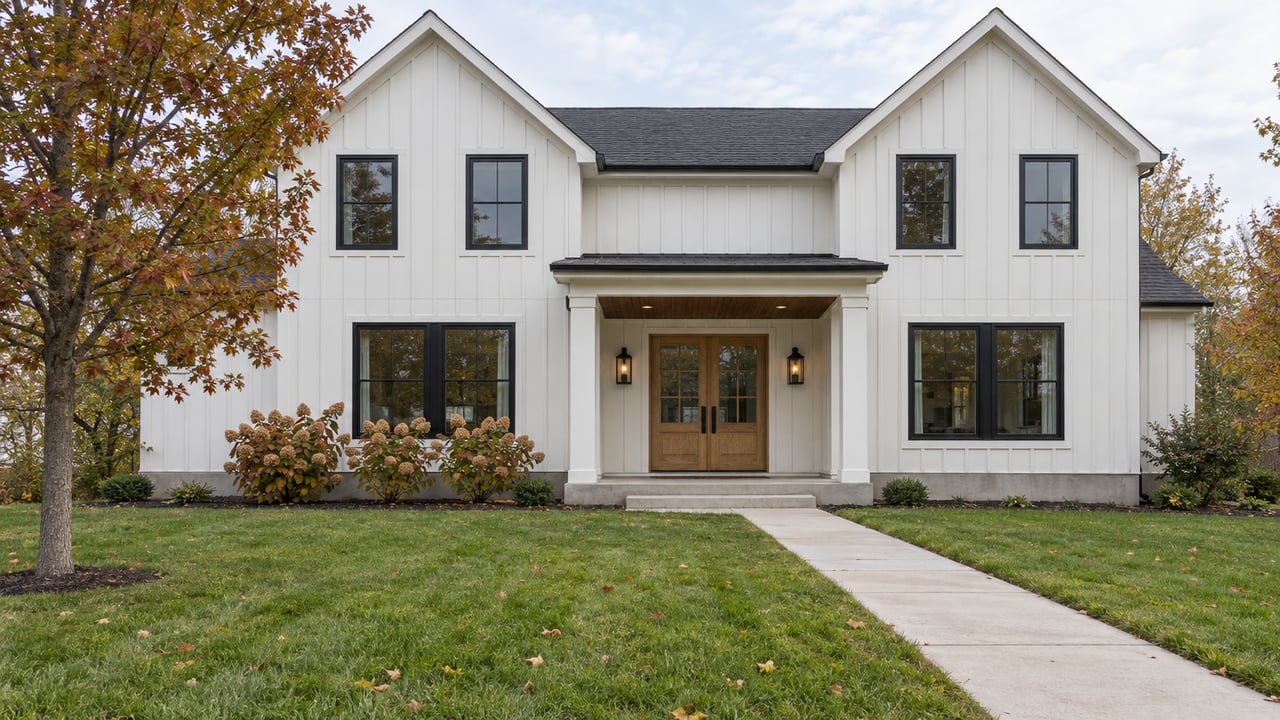
Newer areas in Dublin tend to focus on convenience, updated infrastructure, and a more intentional pedestrian layout. In many cases, they are designed around current expectations for how people want to live, move, and use nearby amenities.
One of the clearest examples is the Bridge Street District, including Bridge Park. The city describes it as a mixed-use, walkable neighborhood with a wide range of residential options and strong regional access from the Dublin/US 33 I-270 interchange, along with OH-161 and Riverside Drive.
New construction is not one-size-fits-all
It is easy to assume that newer neighborhoods all mean attached housing or very small lots, but Dublin’s recent approvals show more variety than that. Avondale Woods Section 3 is a 26-lot single-family neighborhood on 12.60 acres, while Bright Road Reserve is a 20-lot single-family plat on 14.2 acres.
At the same time, newer housing can also include more compact options. Bridge Park Block H proposes 42 single-family attached units, which shows that new construction in Dublin can range from detached homes to more urban-style layouts.
Sidewalks and connectivity matter
A practical advantage in many newer neighborhoods is pedestrian infrastructure. Dublin’s subdivision regulations require sidewalks on both sides of all streets, which creates a stronger baseline for walking than you may find in older, more auto-oriented suburban patterns.
That does not automatically make every newer neighborhood highly walkable in the same way as a mixed-use district. Still, it does mean newer development often starts with a more connected street and sidewalk framework.
The common tradeoff in newer areas
Many newer Dublin neighborhoods balance private space differently than older ones. You may find that a smaller yard comes with benefits like newer streetscapes, shared amenities, or a more compact layout.
For some buyers, that trade feels worth it because it can support easier maintenance and a more convenient daily routine. For others, outdoor space and separation from nearby homes may matter more.
What established Dublin neighborhoods often offer
Established neighborhoods in Dublin usually appeal to buyers who want character, a settled feel, or a more traditional detached-home setting. These areas are not all the same, though, and that is important to keep in mind.
Historic Dublin and mature suburban neighborhoods like Muirfield Village represent two very different versions of “established.” One leans into preservation and walkable historic form, while the other reflects later suburban growth patterns with a larger neighborhood footprint.
Historic Dublin offers character and scale
Historic Dublin is the city’s founding core and a preservation-focused area. The city’s design guidelines describe a neighborhood pattern with smaller lot sizes, shallow front-yard setbacks, rear alleys, narrow street widths, on-street parking, and mature street trees.
Together, those features create a pedestrian-scaled environment that feels different from most suburban subdivisions. If you are drawn to homes and streets with an older, more established physical character, Historic Dublin stands apart.
Preservation shapes the housing feel
In Historic Dublin’s residential areas, the city emphasizes compatibility. Homes on existing or new lots are meant to be comparable in size, mass, scale, setbacks, and lot coverage.
That means change still happens, but the goal is not to reinvent the neighborhood. For buyers, this can be appealing if you value continuity and a strong sense of place.
Mature suburban areas can mean more yard
Outside the historic core, established suburban sections can offer a more traditional detached-home feel. Ballantrae Woods, for example, was approved with 45 single-family lots on 47.206 acres, with lot sizes ranging from about 0.17 acre to 0.4 acre.
That kind of example shows why it is not accurate to assume all established neighborhoods are compact. In Dublin, some mature suburban neighborhoods may offer more yard space and a quieter residential setting than newer, more compact districts.
Established does not mean one housing type
The Avery Road corridor shows how varied mature parts of Dublin can be. The area includes modest single-family homes, empty-nester housing products, townhomes, and multifamily apartment projects.
So if you are comparing newer and older neighborhoods, it helps to look past the age of the area alone. Housing choice, lot pattern, and daily feel can differ a lot even within established sections of the city.
Walkability in newer and established areas
If walkability is high on your list, two areas stand out most clearly in Dublin: Bridge Street District and Historic Dublin. These are the places the city has intentionally shaped around a more walkable experience.
Bridge Street District is planned as a mixed-use, walkable neighborhood. Historic Dublin’s design guidelines also emphasize sidewalks, buildings facing the street, and a tighter street pattern that supports walking.
Dublin is strong on parks and trails
Beyond a single neighborhood, Dublin is notably rich in outdoor access. Trust for Public Land reports that 82% of residents live within a 10-minute walk of a park.
City and tourism sources also describe more than 110 miles of public bikeways, an additional 22 miles of private paths in Muirfield Village, and more than 60 parks. If you want access to trails, parks, and recreation, that can be a citywide advantage regardless of whether you choose newer or established housing.
Commuting and access in Dublin
For many buyers, the better question is not just “new or old?” but “How will this location work for my routine?” Dublin remains largely auto-oriented, and access to major routes can matter more than the neighborhood’s age.
U.S. 33 and I-270 provide direct regional access and carry much of the area’s traffic. Bridge Street District sits about 1.5 miles from the Dublin/US 33 I-270 interchange, and QuickFacts lists the city’s mean travel time to work at 23.2 minutes.
Route matters more than neighborhood label
If commuting is a priority, proximity to your main route often matters more than whether a neighborhood is newer or established. Two homes in Dublin can offer very different day-to-day convenience depending on how close they are to U.S. 33, I-270, or your regular destination.
The city also offers mobility services, including a Mobility Concierge and fare-free rides for workers in Dublin. That may be a helpful bonus for some residents, but most buyers will still want to evaluate driving patterns first.
How to decide which fit is right for you
The right choice usually comes down to the tradeoffs you are most comfortable making. Newer districts often favor updated infrastructure, easier pedestrian access, and a more compact layout. Historic Dublin favors character, tighter setbacks, and preservation-focused standards. Mature suburban neighborhoods often lean toward a more traditional detached-home feel with the possibility of more yard space.
A smart way to decide is to rank your priorities before you start touring homes. Focus on the things that affect your daily life most.
Questions to ask yourself
- Do you want a walkable, mixed-use setting or a quieter residential street pattern?
- How important is yard size compared with newer infrastructure?
- Would you prefer historic character or a more recently built home style?
- Is your commute shaped more by access to U.S. 33 or I-270?
- Do you want a compact neighborhood feel, or more separation between homes?
When you answer those questions honestly, the right areas in Dublin usually become much easier to identify.
Choosing between new and established neighborhoods in Dublin is really about matching the city’s different neighborhood styles to your lifestyle. The good news is that Dublin offers real variety, from historic, pedestrian-scaled blocks to mature suburban communities to newer mixed-use and single-family development. If you want help narrowing down which parts of Dublin best fit your goals, Angelina Fox-Smith & Company is here to guide you with a high-touch, local approach.
FAQs
Are all established neighborhoods in Dublin large-lot neighborhoods?
- No. Historic Dublin has a more compact pattern, while some mature suburban neighborhoods offer larger lots and more yard space.
Are all newer neighborhoods in Dublin attached homes or tiny-lot communities?
- No. Recent Dublin approvals include both single-family detached neighborhoods, such as Avondale Woods Section 3 and Bright Road Reserve, and attached housing like Bridge Park Block H.
Which Dublin areas are most walkable for homebuyers?
- Bridge Street District and Historic Dublin are the clearest examples of walkable neighborhood patterns in the city.
Does a newer Dublin neighborhood always mean an easier commute?
- Not necessarily. Commute convenience usually depends more on your route and proximity to U.S. 33 or I-270 than on whether the neighborhood is newer or established.
What makes Historic Dublin different from newer Dublin neighborhoods?
- Historic Dublin is shaped by preservation-focused design, with smaller lots, shallow setbacks, rear alleys, narrow streets, on-street parking, and mature street trees that create a pedestrian-scaled setting.