If you picture weekends on the water, evening stroller walks, or a quick bike ride to dinner, Westerville makes that lifestyle easy. Choosing a home here often comes down to how close you want to be to parks, trails, and the reservoir. In this guide, you’ll learn the key green spaces, how the trails connect, and what to consider when you’re touring homes near water or parkland. Let’s dive in.
Westerville’s signature green spaces
Hoover Reservoir and greenbelt
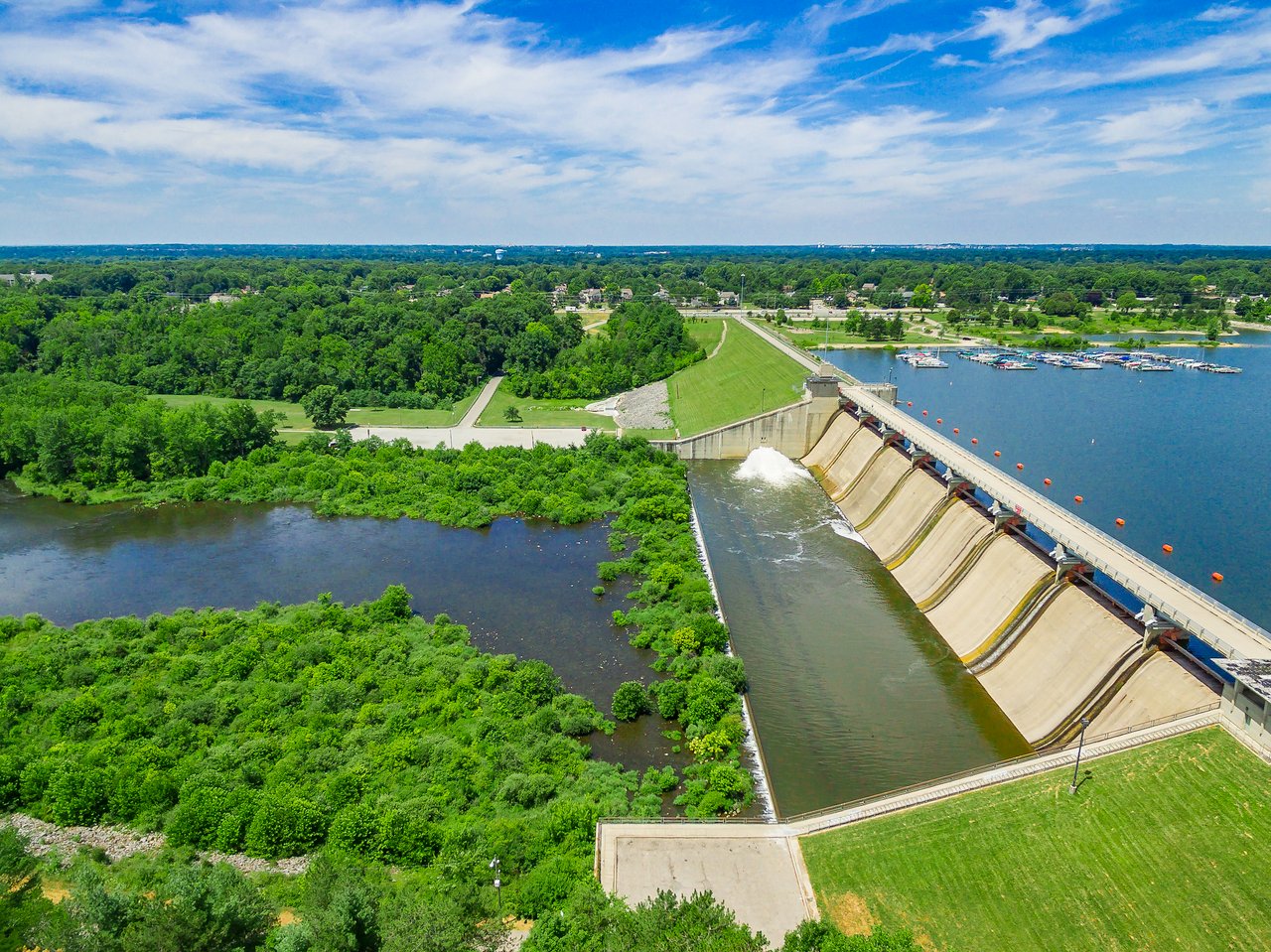
Hoover sits along the north and northeast side of Westerville, creating a long, scenic corridor for walking, running, and nature watching. You’ll find multi-use paths, shoreline viewpoints, and informal fishing access, with some dog-friendly segments where leash rules apply. Many buyers like the quiet, wooded feel and potential water views from nearby neighborhoods. Lots that back to the greenbelt can feel private, but some shoreline areas fall under floodplain or utility easements.
Alum Creek area and Alum Creek State Park
A short drive or easy bike ride from parts of Westerville, Alum Creek offers full-service waterfront recreation. You can access marina facilities, beaches, picnic shelters, multi-use trails, and fishing. It is popular with boaters and kayakers who want launch access and storage options. Certain amenities may require day-use fees or reservations for shelters.
Inniswood Metro Gardens
This Franklin County Metro Parks gem offers themed gardens, naturalized areas, and quiet walking paths. It is perfect for casual walkers, gardeners, and photography. Expect a peaceful setting rather than a sports-focused park. Many buyers appreciate having seasonal programs and maintained gardens nearby.
City parks and downtown green spaces
Westerville’s city parks serve daily life well, with playgrounds, sports fields, courts, and picnic shelters. Near downtown, small parks often host festivals, markets, concerts, and seasonal events. If you want to walk to coffee, a playground, and community events, the near-downtown neighborhoods can be a great fit. Lots are typically smaller, but convenience is high.
Trails and daily connectivity
Alum Creek Greenway / Alum Creek Trail
This regional multi-use corridor strings together parks along Alum Creek and connects to other Columbus-area trails. Some stretches are paved for bikes and commuting, while others are crushed stone through natural areas. It is useful for long runs, family bike rides, and potential bike-to-errand routes. If a smooth surface matters for strollers or road bikes, confirm the nearest section type.
Hoover Reservoir trail systems
Around Hoover you will find a mix of paved and natural-surface paths that link neighborhoods to shoreline viewpoints. Runners and hikers enjoy the variety and the scenery. Mountain bikers can find natural segments where conditions allow. Surfaces and widths vary by segment, so it helps to walk a loop before making plans with a stroller or kids’ bikes.
Neighborhood connectors and on-street options
Westerville includes local connectors and on-street bike facilities that link homes to parks and the city center. Many buyers look for routes that shorten school and activity trips. Lighting and sightlines matter if you plan evening rides or walks. Check whether your preferred route includes trail lights and safe crossings.
Neighborhood proximity and value notes
Where homes sit near green space
- North and northeast: typically closest to Hoover Reservoir and the greenbelt, appealing if you want lakeside views and quick trail access.
- East and outer north: closer to Alum Creek’s state park day-use areas, often a short drive or bike ride away.
- Downtown and near-center: walkable to small city parks, shops, restaurants, and community events.
Daily-life tradeoffs to consider
- Walkability vs. lot size: park-adjacent urban lots can be smaller, but the public green space becomes your extended backyard.
- Privacy vs. activity: a home backing to a greenbelt may feel peaceful, while homes near event spaces can see periodic noise and traffic during festivals.
- Kid and pet logistics: trail surface and lighting affect stroller runs and evening dog walks.
Property and regulatory considerations
- Floodplain and setbacks: homes close to reservoirs or creeks may have stricter setbacks and building limits. Review local planning info and FEMA layers.
- Easements and utilities: reservoir shorelines often carry protective easements that limit development.
- Insurance and safety: proximity to water can influence homeowner insurance and may involve additional flood coverage in mapped zones.
Pricing patterns
- Park and waterfront proximity often commands a premium, especially for water views or lots that back to continuous greenways.
- Walkable downtown homes may also see premiums for convenience and access to events.
What to check on a showing
Use this quick checklist when touring homes near parks or water:
- Door-to-trail time: walk from the front door to the nearest trailhead or playground and note the minutes.
- Trail surface: confirm paved, crushed stone, or natural surface for strollers and bikes.
- Privacy and sightlines: see what you can view from patios and windows toward the park or path.
- Weekend parking: note if trailhead or park parking spills into the neighborhood during busy times.
- Dog rules: check leash requirements and whether any designated off-leash areas exist nearby.
- Boating access: for water enthusiasts, confirm distance to boat launches or marinas and ask about slip availability and seasonal rules.
Seasonal use and safety basics
Trail conditions and access vary by season. Many paved paths are plowed or passively maintained in winter, while natural-surface trails can be muddy in shoulder seasons. For water activities, public beaches and reservoirs may post periodic advisories. Look to county health and park signage for current conditions, including harmful algal bloom notices and swimming guidance. If you are curious about winter ice activities, confirm whether they are allowed and whether ice safety is monitored.
How we help you shop smarter
You deserve a home that matches how you want to live, from weekday runs to weekend boat days. Our team pairs neighborhood knowledge with a practical, checklist-driven approach so you understand each property’s green space access and any tradeoffs. We can help you verify door-to-trail timing, evaluate privacy and parking patterns, and flag floodplain, setback, or easement considerations that might affect plans.
If you are selling a park-adjacent home, presentation matters. Our in-house stager and image-forward marketing help highlight outdoor living and trail access so buyers see the lifestyle clearly. For buyers, we offer consultative representation with human-reviewed market insights and a smooth, coordinated process from search to close.
Ready to map your lifestyle to the right street and floor plan? Connect with Angelina Fox-Smith & Company for a local, high-touch plan that fits your goals.
FAQs
Which Westerville parks are best for daily walks?
- Hoover Reservoir’s greenbelt offers long, scenic paths, while city parks near downtown provide short, convenient loops. Inniswood Metro Gardens is ideal for peaceful, leisurely strolls.
How does the Alum Creek Trail connect to Westerville?
- The Alum Creek Greenway links area parks and ties into regional trails. Expect a mix of paved and crushed-stone segments, with access points a short drive or bike ride from many east and outer-north neighborhoods.
Do homes near Hoover Reservoir face flood or easement rules?
- Properties close to the reservoir or creeks can involve floodplain mapping, setback limits, and protective shoreline easements. Review local planning and FEMA layers during due diligence.
Are there fees at Alum Creek State Park?
- Some amenities, such as shelters or marina services, may require reservations or day-use fees. Confirm details for your planned activities before visiting.
What should boaters consider when buying near Westerville?
- Check distance to launches or marinas, slip availability, seasonal restrictions, and local rules for boating and fishing. Verify parking and trailer logistics on busy weekends.
Will living near downtown parks affect routines?
- You gain walkable access to events, markets, and playgrounds, along with strong everyday convenience. Expect occasional traffic and noise during festivals or concerts.